
Finding a trusted partner for your electrical inspection in Cardiff doesn’t need to be overwhelming. Whether you’re addressing concerns with outdated systems or ensuring your home’s safety, electrical inspections are a must. Here’s a quick guide:
- Understand the Inspection Process: Know what the inspection entails – from visual checks to rigorous tests.
- Legal Requirements and Frequency: Familiarize yourself with how often you need to conduct these inspections.
- Preparing for Your Inspection: Learn how to get your home ready.
- Common Issues and How to Address Them: Identify typical problems and how to solve them.
- Hiring a Qualified Electrician: Ensure you choose the right professional for the job.
Ensuring the electrical safety of your home in Cardiff is crucial, not only for the well-being of your family but also to meet legal requirements. Regular electrical inspections can help prevent hazards, improve security, and provide peace of mind.
As homeowners in Cardiff, partner with a trusted and experienced inspector. Titled ‘5 Essential Tips and Tricks to Ace Your Electrical Inspection’, we aim to simplify the complex world of electrical inspections. We’ll guide you through understanding the process, meeting legal requirements, preparing your home, identifying and addressing common issues, and selecting the right electrician for the job.
Stay tuned to master the art of navigating electrical inspections with ease and confidence.

Understand the Inspection Process
Embarking on an electrical inspection journey can seem daunting at first. However, breaking down the process into manageable chunks can make it much more approachable. Let’s dive into the key components you need to understand: Visual Inspection, Physical Testing, Electrical Safety Testing, IR Test, BS 7671, and NICEIC.
Visual Inspection
First things first, visual inspection is your starting line. It’s all about using your eyes. Inspectors look for obvious signs of wear and tear, damage, or anything that doesn’t quite fit right. They check wiring, switches, outlets, and the general condition of electrical installations. It’s a bit like detective work without the magnifying glass.
Physical Testing
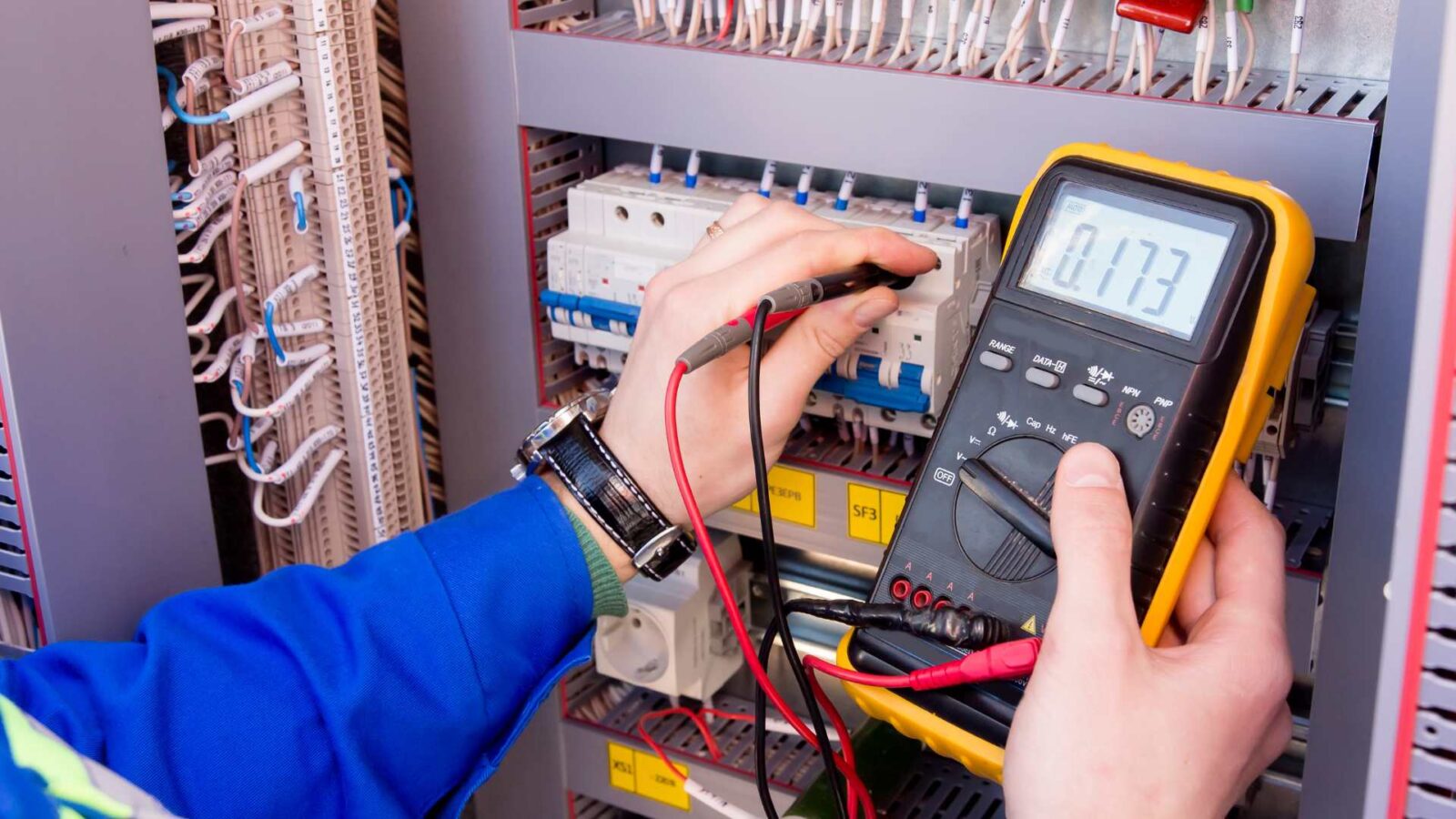
Moving on, physical testing involves a more hands-on approach. This is where tools and equipment come into play to check the integrity and functionality of electrical systems. Think of it like a health check-up but for your home’s electrical system.
Electrical Safety Testing
Electrical safety testing is the umbrella term for several specific tests designed to ensure everything is operating safely and up to standards. It’s a critical step to prevent any accidental shocks or fires.
IR Test
The Insulation Resistance (IR) Test is a part of electrical safety testing. It measures how well the electrical insulation material can resist the flow of current. It’s like testing a dam for leaks; if electricity leaks, it could lead to hazards.
BS 7671
BS 7671 refers to the UK National Standard for electrical installations. It’s the rulebook that every electrical inspection plays by in the UK. Following these regulations ensures that electrical installations are safe and sound.
NICEIC
Lastly, the NICEIC is an organization that oversees the training and certification of electricians in the UK. When an electrician is NICEIC-certified, it means they’re qualified to conduct electrical inspections and installations according to the highest standards.
Understanding these components of the electrical inspection process demystifies what goes into ensuring the electrical safety of your home. It’s not just about checking boxes but ensuring each part of your electrical system is up to par, safe, and reliable. With this knowledge, you’re better equipped to navigate electrical inspections, ensuring your home remains a safe haven.
In the next section, we’ll delve into the legal requirements and frequency of electrical inspections, so you know exactly what’s expected to keep your home compliant and safe.
Stay tuned to ensure you’re well-informed and prepared for your next electrical inspection.
Legal Requirements and Frequency
When it comes to electrical safety, knowing the legal requirements and how often your property needs an electrical inspection is crucial. Let’s break down what you need to know in simple terms.
EICR – Your Electrical Health Check
An Electrical Installation Condition Report (EICR) is like a health check for your property’s electrical system. It tells you if there are any safety shortcomings or defects that need fixing. Think of it as a report card for your home’s electrics!
For Private Rental Properties
If you’re a landlord, the law is clear. You must have an EICR done every 5 years. This isn’t just good practice—it’s a legal requirement in England. This rule kicked off in June 2020, making it a relatively new must-do for landlords. In Scotland, this has been the case since 2015. Regardless of where you are in the UK, sticking to this 5-year rule is a smart move for the safety of your tenants and your property.
Owner-Occupied Homes
For those living in their own homes, the frequency relaxes a bit. You should aim for an electrical inspection every 10 years. It’s not legally mandated like in rental properties, but it’s strongly advised to catch any potential electrical issues before they become serious.
Caravans and Swimming Pools
Got a caravan or a swimming pool? The rules tighten up here. Caravans should have an inspection every 3 years, and swimming pools require a check-up every year. It’s all about safety, given the additional risks involved.
Why Stick to the Schedule?
Regular electrical inspections are not just about ticking a legal box. They’re about ensuring your property is safe and sound. Electrical installations can deteriorate over time due to wear and tear. Regular checks help identify issues like overloaded circuits, potential electric shock risks, and fire hazards before they cause real problems.
Key Takeaways
- EICR is your property’s electrical safety report card.
- Private rentals need an inspection every 5 years.
- Owner-occupied homes should aim for every 10 years.
- Caravans and swimming pools have more frequent requirements due to higher safety risks.
These inspections should only be carried out by qualified electricians. This ensures your property not only meets legal standards but is genuinely safe for everyone inside.
Next, we’ll guide you on how to prepare for your inspection, making the process as smooth as possible. Stay with us for practical tips on getting your property ready for its electrical check-up.
Preparing for Your Inspection
Getting ready for an electrical inspection doesn’t have to be daunting. With the right preparation, you can ensure your property is in the best shape for a successful inspection. Here’s how to get started:
Switchgear and Control Gear
First, take a look at your switchgear and control gear. These are the components that control, protect, and isolate your electrical equipment. It’s crucial to ensure they are not only operational but also accessible. Before the inspection:
- Clear any obstructions that might prevent easy access to these components.
- Check for visible damage or signs of wear and tear. If you notice anything concerning, it might be time to call in a professional before your inspection.
Earthing and Bonding
Earthing and bonding are essential for safety, reducing the risk of electric shock. They ensure that if a fault occurs, the electrical current will safely pass to the ground. To prepare:
- Verify connections. Make sure the earthing and bonding connections are secure and not corroded.
- Inspect the earthing rod (if accessible) to ensure it’s in good condition.
Overloaded Circuits
Overloaded circuits are a common issue and a significant fire hazard. They occur when too many devices are connected to a single circuit, drawing more power than the circuit can handle. To prevent this:
- Spread out your electrical devices across different circuits, especially high-power appliances.
- Consider upgrading your electrical panel if you frequently trip breakers or if your current setup can’t accommodate your needs.
Electrical and Fire Hazards
Electrical hazards can lead to fires if not addressed. To minimize risks:
- Keep an eye out for frayed wires or cables, and replace them as necessary.
- Ensure outlets and switches are properly covered and not overloaded with multi-plug adaptors.
- Check for signs of overheating on electrical panels and outlets, such as discoloration or a burning smell.
General Tips
- Test smoke detectors and replace batteries if necessary. They might not be the primary focus of an electrical inspection, but they’re crucial for safety.
- Gather documentation of any electrical work done since the last inspection. This can include receipts, warranties, and permits. It shows the inspector that you’re proactive about electrical safety.
- Do a walk-through of your property with an electrical safety checklist. Pay special attention to areas you might overlook in daily life, like rarely used outlets or the condition of extension cords.
By following these steps, you’ll not only prepare your property for an electrical inspection but also enhance its overall safety. Electrical safety is an ongoing process. Regular checks and maintenance can prevent many common issues that arise during inspections.
Next, we’ll dive into how to spot and address common issues that might come up during your electrical inspection. Stay tuned for practical advice on tackling reversed polarity, faulty wiring, and more.
Common Issues and How to Address Them
When it comes to electrical inspection, there are a few usual suspects that tend to crop up again and again. Let’s break down what these are and how you can address them effectively.
Reversed Polarity
What It Is: Reversed polarity happens when the hot and neutral wires are swapped around in your outlets. This can make your devices act strangely or even pose a shock risk.
How to Address: If you’re comfortable with basic electrical work, you can turn off the power and swap the wires back to their correct positions. However, for peace of mind and safety, it’s often best to call in a professional.
Faulty Wiring
What It Is: Faulty wiring can range from loose connections to damaged wires. It’s a leading cause of electrical fires.
How to Address: This is definitely a job for a qualified electrician. They can identify and replace the faulty sections, ensuring your home is safe.
Damaged Outlets
What It Is: Outlets can get damaged over time. Cracks, burns, or loose connections can all pose risks.
How to Address: Replacing an outlet isn’t overly complicated, but if you’re not sure, call an electrician. It’s a quick job for them and ensures your outlets are safe and up to code.
Overloaded Circuits
What It Is: Overloaded circuits occur when too many devices are drawing power from the same source. This can lead to overheating and potentially fires.
How to Address: Spread your electrical devices across different circuits if possible. If overloading is a common issue, it might be time to upgrade your electrical panel to handle more capacity.
Improper Grounding
What It Is: Grounding helps safely direct excess electricity away in case of a fault. Improper grounding can mean that this safety feature isn’t working as it should.
How to Address: Checking and fixing grounding issues is complex and needs a professional. They can ensure that your electrical system is safely grounded.
C1-C3 Codes, FI Codes
What They Are: These codes are used in Electrical Installation Condition Reports (EICR) to indicate the severity of any issues found. C1 means danger present, C2 means potentially dangerous, C3 means improvement recommended, and FI means further investigation required.
How to Address: For any C1 or C2 issues, immediate action is required. This often means calling an electrician ASAP to fix the problem. C3 issues aren’t urgent but addressing them can improve safety. FI codes mean that something needs a closer look to determine if it’s safe or not.
Electrical safety is not just about passing an inspection. It’s about ensuring your home is safe for you and your family. If you’re ever in doubt, it’s always better to call in a professional. They have the experience and knowledge to ensure your electrical system is up to par and can provide peace of mind that everything is as it should be.
Moving forward, ensuring you hire a qualified electrician is crucial for addressing these issues correctly and safely. Let’s explore what to look for when hiring an electrical expert.
Hiring a Qualified Electrician
When it comes to electrical inspection, the importance of having a qualified electrician cannot be overstated. Not only does it ensure the safety and efficiency of your electrical systems, but it also helps in complying with legal standards. Here’s what you need to consider to make sure you’re hiring the right professional for the job.
Experience
Experience matters. Look for an electrician with a solid track record in conducting electrical inspections. An experienced electrician is likely to have encountered a wide range of issues and will know how to address them effectively. They should have a good understanding of everything from electrical load analysis to emergency lighting inspection, and lightning protection systems.
Accreditation
Accreditation is your assurance that an electrician meets the required professional standards. In the UK, electricians should be registered with a government-approved body. This ensures they adhere to the current regulations and standards, such as BS 7671, which covers the UK’s Wiring Regulations.
Public Liability Insurance
This is crucial. Public Liability Insurance protects you from any claims made due to accidents or damages that occur while the electrician is working on your property. It’s a layer of financial protection that you shouldn’t overlook.
Professional Indemnity Insurance
Similar to Public Liability Insurance, Professional Indemnity Insurance covers you in case the work done by the electrician leads to financial loss or damages. It’s another must-have for any electrician you’re considering hiring.
BS 7671 Qualification
The BS 7671, or the Wiring Regulations, is the national standard in the UK for electrical installation safety. Ensure your electrician has this qualification, as it indicates they are up-to-date with the latest safety standards and practices.
Electrical Installation Condition Report Course
Finally, check if the electrician has completed an Electrical Installation Condition Report (EICR) course. This is especially important if you’re hiring them for an inspection, as it means they’re qualified to assess and report on the condition of your electrical installations accurately.

Hiring a qualified electrician is not just about ensuring your electrical systems function properly; it’s about ensuring the safety of your home or workplace. By focusing on these key areas—experience, accreditation, insurance, and relevant qualifications—you can be confident in the electrician’s ability to perform a thorough and reliable electrical inspection. When it comes to electrical safety, cutting corners is never worth the risk.
Conclusion
Congratulations! You’ve navigated through the ins and outs of preparing for and understanding the significance of an electrical inspection. It’s clear now that this process is not just about ticking boxes; it’s about ensuring the safety and integrity of your property’s electrical systems. From the importance of hiring a qualified electrician to recognizing common electrical issues, we’ve covered essential steps to help you ace your electrical inspection.
At 101 Home Inspection, we emphasize the critical role that electrical inspections play in maintaining a safe home environment. Whether you’re a homeowner, landlord, or tenant, understanding the process and importance of these inspections can make a significant difference in preventing electrical hazards.
Electrical safety is not a one-time task but an ongoing responsibility. Regular inspections, conducted by accredited professionals, ensure that your electrical systems are up to code and functioning safely. By choosing a qualified electrician, you’re not just complying with legal requirements; you’re also investing in the well-being of those who live in or use your property.
As we wrap up, let’s recap the key takeaways:
- Understand the Inspection Process: Familiarize yourself with what an electrical inspection entails, including visual inspections, physical and safety testing, and adherence to the BS 7671 standards.
- Comply with Legal Requirements: Stay updated on the legal requirements for electrical inspections in your area, whether it’s an EICR for rental properties or periodic checks for owner-occupied homes.
- Prepare Your Property: Address common issues like faulty wiring, damaged outlets, and overloaded circuits to ensure a smooth inspection process.
- Hire a Qualified Electrician: Look for experience, accreditation, and specific qualifications like the Electrical Installation Condition Report course to ensure a comprehensive and reliable inspection.
By following these guidelines, you’re taking proactive steps toward electrical safety. At 101 Home Inspection, we’re here to support you through every step of the process. From detailed inspections to expert advice, we’re committed to helping you maintain a safe, efficient, and compliant property.
Thank you for joining us on this journey to electrical safety. Here’s to a safer home and workplace for everyone!