
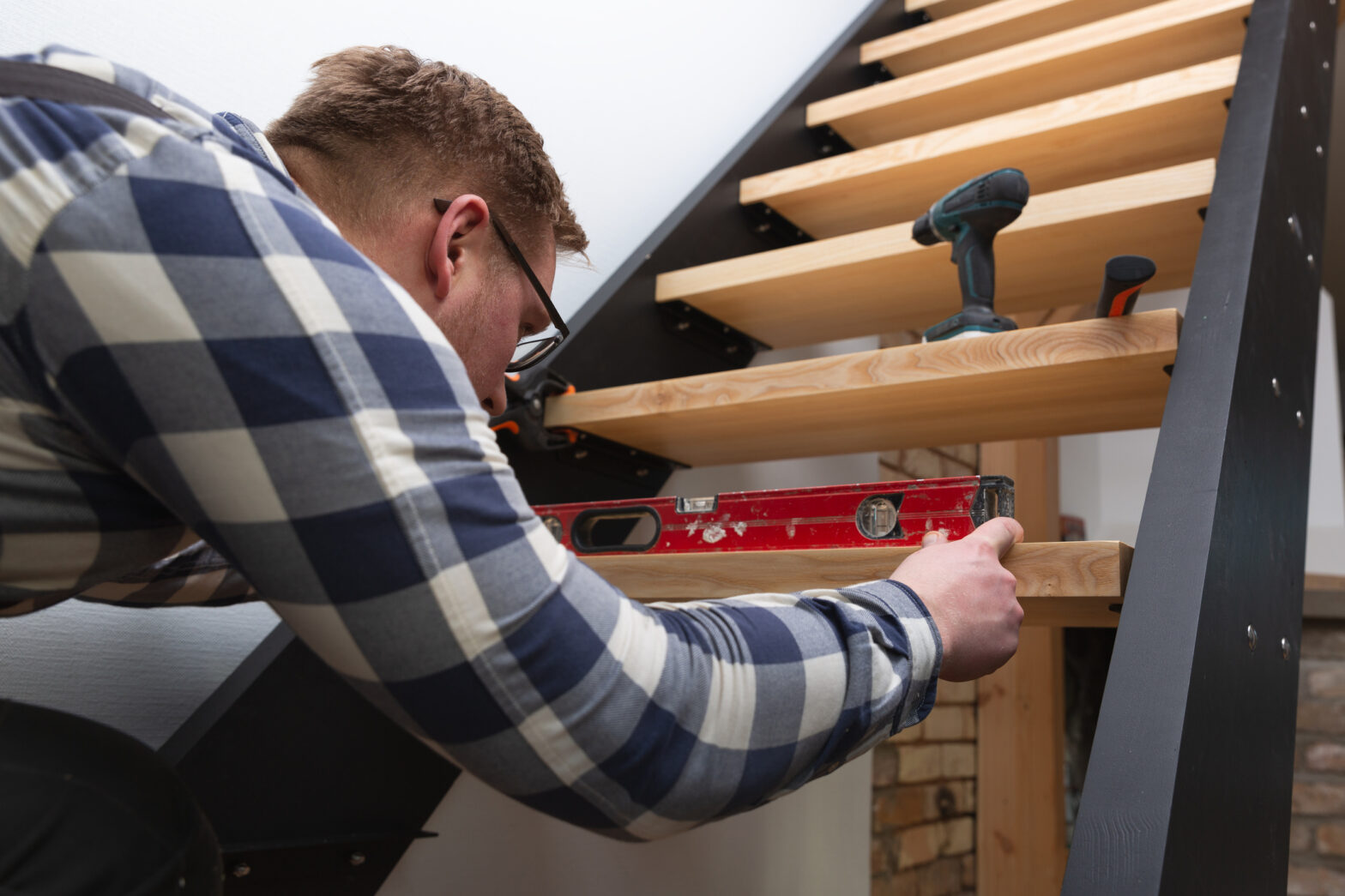
Changing your staircase is one of the biggest interior jobs you can do as a homeowner. Whether you want to replace an old staircase with a new staircase, move your current staircase to a new location or install a replacement staircase, you need to understand the scope of the project. But is changing a staircase a big job? It depends on many factors, including the building work, structural designs and the impact on your interior layout and floor space.
In some cases just replacing an existing staircase with a new design in the same place can be a simple job. But if you’re looking to move stairs, add extra features or install a completely new space-saving design the complexity—and staircase costs—will increase.
Is Changing a Staircase a Big Job? Top Considerations
1. Structural Work and Building Regulations
One of the biggest factors in deciding if changing a staircase is a big job is whether building work is required. A simple replacement staircase that follows the same footprint as the current stairs can often be installed with minimum disruption. But if you need to adjust floor space, alter the interior space or create a completely new design structural changes will be needed.
Key things to consider:
- Making sure the new staircase is structurally sound and meets building regulations.
- Do you need planning permission—most staircases don’t but repositioning them or altering a main staircase in a listed building may require approval.
- The impact on living space, landing areas and external appearance of the home.
If you’re doing a loft conversion choosing the right staircase design is key to achieving access while saving space.
2. Moving Stairs to a New Location
If you’re looking to move stairs altogether this adds to the complexity of the project. Moving a main staircase may require:
- Reconfiguring floors and supporting walls.
- Adjusting resting space halfway and landing areas.
- Changing interior layout and access to upper floors.
- For multi-storey homes with multiple floors moving a staircase is a big job and requires careful planning with an architect or structural engineer.
What Staircase Design is Right for Your Space
The type of new staircase you choose will impact on cost and floor space required. Some designs require less space making them perfect for small spaces while others increase house value by adding an aesthetically pleasing feature.
Straight Staircases vs. Space-Saving Designs
A straight staircase is the simplest option, requires less space and is often the easiest to install. But homes with small spaces may benefit from spiral staircases, quarter turn, or half turn staircases to make the most of the available living space.
Popular staircase designs include:
- Straight stairs – Easy to install, best for open spaces.
- Winding staircases – A stylish option that maximises interior space.
- Half turn staircases – Great for homes needing a resting space halfway.
- Spiral staircases – A perfect solution to save space in small spaces or loft conversions.
Staircase Costs: How Much Does It Cost to Change Your Staircase?
The cost of changing a staircase depends on many factors including the materials, new design and building work involved.
Staircase Costs:
- Replacing an existing staircase with no structural changes: £1,500 – £5,000.
- Installing a replacement staircase with upgraded materials (e.g. glass panels, oak handrails or extra design features): £3,000 – £8,000.
- Moving stairs to a new location requiring major building work: £10,000 – £20,000+.
- Bespoke staircase renovation with completely new design using different materials (e.g. steel, timber or glass panels): £15,000 – £30,000+.
Each staircase type is priced differently depending on the complexity of installation and any extra features added.
Materials Matter: What Staircase Features to Choose
The materials used in a staircase can make a big impact on cost, durability and style.
Staircase Materials:
- Timber (oak, pine, walnut) – Classic and warm, often found in straight staircases.
- Glass panels – Looks aesthetically stunning, especially in modern homes.
- Metal (steel, iron, aluminium) – Used in spiral staircases and industrial-style designs.
Adding extras like custom newel posts, hand-made spindles or a floating staircase will enhance the visual appearance and increase house value.
Conclusion: Should You Change Your Staircase?
So, is changing a staircase a big job? It depends on your project goals. If you’re simply replacing an existing staircase with a new staircase, the process can be relatively quick and cost-effective. However, if you plan to move stairs, adjust interior space, or integrate high-end materials, the renovation can become more complex.
For homeowners considering a staircase transformation, Jarrods Staircases offers expert advice, bespoke staircase renovation services, and high-quality craftsmanship. Whether you’re looking for straight stairs, half turn staircases, or a completely new design, their team can help you create a stunning focal point with minimal disruption.