
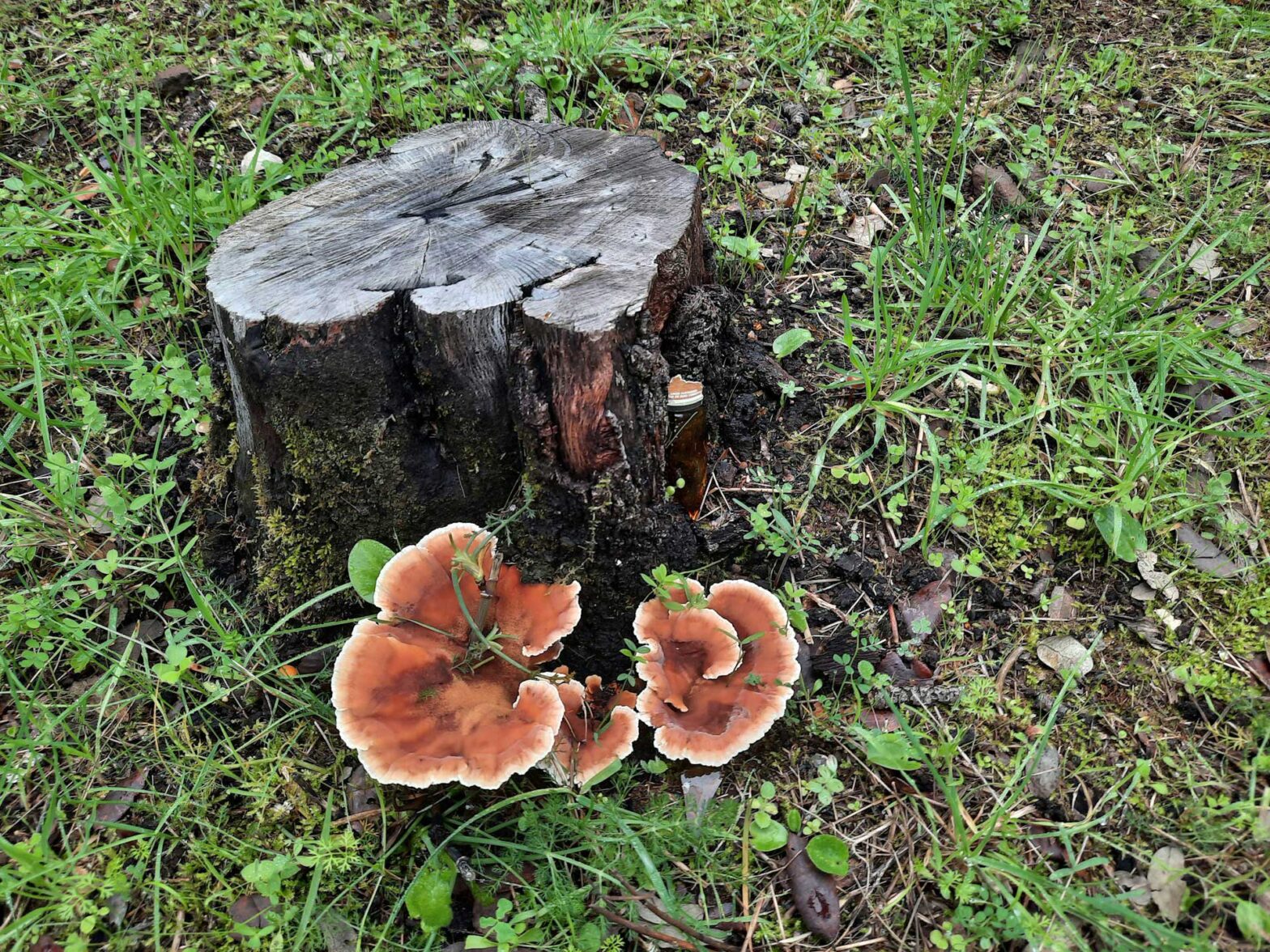
Homeowners in the UK often are left gobsmacked by the fact that cutting down a tree doesn’t necessarily mean its underground root system is gone for good. In some cases, the roots of a tree can stay active for years after the tree’s been felled, with certain species even producing fresh shoots or suckers from the remaining roots.
According to arborists, the next course of events largely depends on the type of tree, the condition of the stump, soil moisture and how the tree was actually taken down in the first place. Speaking to Christchurch Tree Services:
Do Tree Roots Carry On Growing After The Tree Is Removed?
The short answer is: yeah, sometimes.
For a whole heap of tree species, roots will probably just stop growing and start to rot once the tree’s been cut down because they no longer get any energy from the leaves flowing through the tree’s vascular system. But there are some species that are absolute superstars in terms of resilience – and can continue to send up fresh growth from the stump or roots. (TreeNewal)
This happens a fair amount with:
- Willow trees
- Poplar trees
- Sycamores
- Tree of Heaven
- Elm varieties
- And other ornamental trees
What often happens is that property owners will notice:
- Tiny shoots popping up around the old stump
- New saplings appearing in lawns or flower beds
- The roots still spreading beneath patios or driveways
Arborists will tell you it’s all because the root system still has stored up energy and moisture. As Above All Tree Care put it:
How Long Do Tree Roots Survive?
Tree roots can keep on going underground for several years after the tree’s been cut down, depending on:
- Tree type
- Root size
- Soil conditions
- Moisture levels
- The stump’s health
Big, mature trees usually have massive root systems that decay slowly over time. Some roots may naturally rot within a few years, but others can keep going strong for much longer. Christchurch Tree Services have the lowdown:
Can Tree Roots Still Cause Trouble After the Tree Is Gone?
Yeah, unfortunately they can.
There are a raft of potential issues for property owners, including:
Ground Movement
As roots rot, empty spaces can form underground. This can lead to:
- Soft ground
- Uneven lawns
- Small sinkholes
- Subsidence concerns in rare cases
Damage to Hard Surfaces
Some living roots can keep pushing against:
- Patios
- Driveways
- Garden walls
- Paths
Regrowth Problems
Certain species can regrow from roots at an alarming rate, creating repeated maintenance issues if not dealt with correctly. (Above All Tree Care)
Will Roots Eventually Just Die Naturally?
Generally, yes.
Once the tree is gone, the root system will just gradually lose access to nutrients and eventually break down naturally. This can take years, not months, especially with big trees. (Christchurch Tree Services)
That said, natural decay isn’t always the best option if the roots are:
- Affecting the foundations
- Blocking drains
- Causing trip hazards
- Producing new shoots
- Damaging structures
What Happens if the Stump is Left Behind?
Leaving the stump in place increases the likelihood of continued activity underground.
Old stumps may:
- Produce fresh shoots
- Attract fungi
- Encourage pests
- Create tripping hazards
- Slow garden landscaping projects
Professional stump grinding is commonly recommended to reduce the likelihood of regrowth and speed up decomposition.
Can Tree Roots Grow Back Into Drains?
Tree roots don’t actively “hunt” for drains, but they do grow naturally towards moisture and oxygen. If a drain has any small cracks or weak joints, roots can get in and start to expand inside the pipework. (YouTube)
This can eventually cause:
- Blockages
- Slow drainage
- Pipe damage
- Expensive repairs
Which Trees Are Most Likely to Regrow?
There are a few species that are notorious for regrowing after felling.
Examples include:
- Willow
- Poplar
- Ash
- Sycamore
- Tree of Heaven
Some species use a natural survival response called coppicing, where new shoots grow from the stump or roots after cutting. (Wikipedia)
How Do Professionals Stop Tree Root Regrowth?
Professional tree surgeons usually use a variety of methods depending on the situation:
Stump Grinding
A specialist machine removes the stump below ground level to reduce regrowth potential.
Root Removal
In severe cases, sections of the root system may be excavated.
Eco-Plugs or Treatments
Specialist stump treatments can help stop regrowth in stubborn species.
Monitoring
Some root systems just need to be monitored until natural decay occurs.
Why DIY Tree Removal Can Come Back to Bite You
Many property owners assume cutting down the visible part of the tree is the end of the issue. But in reality, improper removal can leave active roots underground for years.
DIY tree removal can lead to:
- Dangers from regrowth
- Structural damage
- Unstable ground
- Drain issues
- Injuries
- Potential legal problems with protected trees. The Royal Horticultural Society Warns About Cutting Roots Near Boundaries or Trees
Be very careful when cutting roots that are near boundaries or protected trees – if you do it wrong, you can end up destabilizing the tree and causing a whole heap of problems for yourself. (RHS)
The Word From Our Local Tree Surgeons
Arborists with years of experience reckon its best to check the full state of the stump and root system before you decide how to tackle the root removal.
This is especially crucial if:
- You have roots poking out of the ground right next to your house
- Your drains are getting clogged
- New shoots are still popping up
- You’re planning on doing some landscaping in the area
- You’re thinking of planting a new tree close by
If you’re a homeowner with tree root issues, Trees Company Cardiff can help out with all sorts of tree surgery, stump grinding and tree removal across South Wales. Or if you just need some free advice, give them a ring on 07592 382057.
Removing a tree rarely means the roots just magically disappear. Some of them will just keep on decaying underground, while others can actually start sprouting new growth for years, depending on the sort of tree and the local conditions.
If you ignore the old roots, you can end up with all sorts of problems down the line – like property damage, drainage issues or a mess with your landscaping. So usually its best to get a pro in to sort out the stump removal and take a proper look at things.