

The Importance of Soil Testing
Unveiling the secrets of the earth, soil testing is more than just a routine procedure. It’s the key to unlocking the full potential of any construction or agricultural project. Not only does it help identify the physical, chemical, and biological properties of the soil, but it also allows for timely detection of potential problems in crop growth conditions or construction stability.
For construction project managers like you, soil testing can significantly reduce project risks and costs. It provides essential data for sound foundation design, ensuring the safety and longevity of your construction projects. Moreover, soil testing helps meet local regulatory requirements, ensuring compliance with environmental standards.
But that’s just the tip of the iceberg. In the realm of agriculture, soil testing becomes a game-changer. It helps determine the suitability of land for farming, decide on appropriate crops, and plan precise fertilization strategies. Moreover, with the help of soil testing, we can monitor soil health and implement effective land management practices.
Discover the untapped secrets of soil testing with us as we unravel the diverse methods used in this crucial process. In this comprehensive guide, we will explore the role of soil testing in construction projects and agriculture, delve into different testing methods, and highlight how Ibex Consulting Engineers can assist you with your soil testing needs. Stay tuned as we dig deeper into the world of soil testing.
The Role of Soil Testing in Construction Projects
Unveiling the secrets of the ground beneath our feet, soil testing is an integral part of any construction project. It not only helps ascertain the suitability of the soil for the proposed construction but also aids in determining the type of foundation and materials needed to ensure a safe and stable structure.
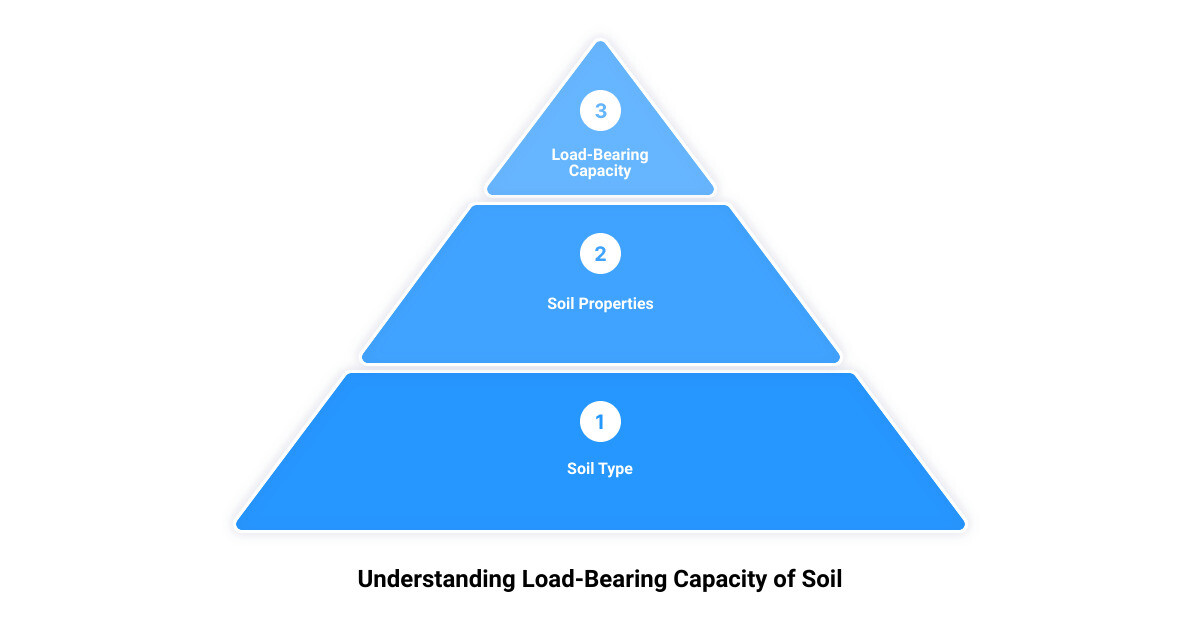
Understanding the Load-Bearing Capacity of Soil
Soil testing is crucial for understanding the load-bearing capacity of the soil at the construction site. This property determines the soil’s ability to support the weight of the structure without causing a building to sink or collapse. Engineers and builders rely on this information to design a foundation that can safely bear the load of the construction, ensuring long-term stability and structural integrity.
Moisture Content Test: Oven-Drying, Calcium Carbide, Torsion Balance, and Pycnometer Methods
The moisture content test is a vital part of soil testing. It measures the soil’s water content, providing essential data for various engineering calculations such as compaction and foundation stability. Several methods can be used to measure soil moisture, such as the oven-drying method, calcium carbide method, torsion balance method, and the pycnometer method. The most popular method is the oven-drying method, which involves weighing the soil sample, drying it at a specific temperature, and then weighing it again to calculate the moisture content.
Specific Gravity Test: Gas Jar, Measuring Flask, and Density Bottle Methods
The specific gravity test measures the ratio of the density of a substance to the density of a reference substance. In soil testing, it’s typically the ratio of the density of the soil to the density of water. This test helps engineers understand the soil’s properties and behaviour, which are critical for design calculations.
Atterberg Limits Test: Shrinkage Limit, Plastic Limit, and Liquid Limit
The Atterberg limits test is another crucial soil testing method. It measures the shrinkage limit, plastic limit, and liquid limit of the soil. These limits give an insight into the soil’s behavior, its ability to be compacted, and its suitability for construction.
Dry Density Test: Water Displacement, Core Cutter, and Sand Replacement Methods
The dry density test provides information about the soil’s compaction characteristics. Accurate measurements of dry density are essential for ensuring proper soil compaction during construction, which in turn guarantees the stability and load-bearing capacity of foundations and structures.
Proctor’s Compaction Test: Determining Optimum Moisture Content and Maximum Dry Density
The Proctor’s compaction test is a soil testing method used to determine the optimum moisture content at which a soil achieves its maximum dry density. This information helps in achieving the right level of soil compaction during construction, preventing settlement issues and ensuring the stability and longevity of the construction project.
Through these diverse testing methods, soil testing acts as a compass, guiding the construction process towards safety, efficiency, and longevity. With a meticulous approach and the right expertise, companies like Ibex Consulting Engineers transform this vital data into actionable insights, providing cost-effective and robust solutions for various construction projects.
Soil Testing for Agricultural Purposes
Diving into the world of agriculture, soil testing takes on a whole new level of importance. This isn’t just about the stability of the soil beneath our feet, but also about the prosperity of the crops that feed us. By testing the soil, farmers and agricultural businesses can optimize their yield, reduce costs, and ensure the health of their crops. Let’s delve into the various soil testing methods used in agriculture.
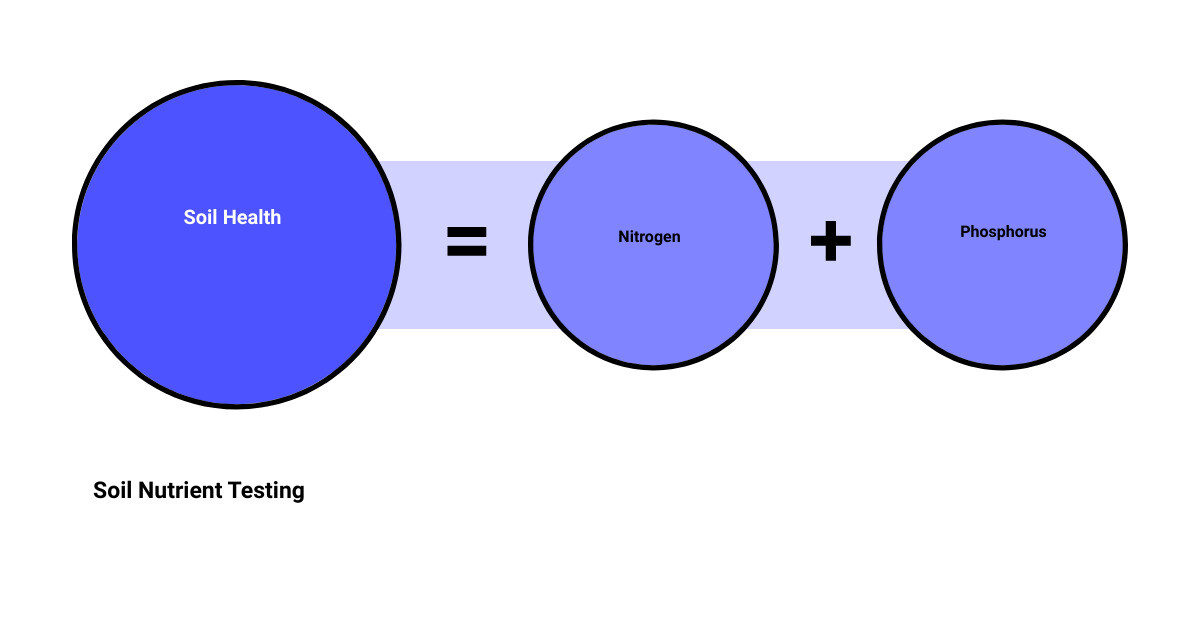
Soil Nutrient Testing: Nitrogen, Phosphorus, Potassium, and Other Nutrients
Nutrient testing is a cornerstone of agricultural soil analysis. It evaluates the content of nitrogen (N), phosphorus (P), and potassium (K), the three primary nutrients required by plants. Other secondary nutrients such as calcium (Ca), sulfur (S), and magnesium (Mg) are also examined. An extended test may include minor elements like iron (Fe), manganese (Mg), boron (B), and molybdenum (Mo). The results from these tests guide farmers in precise fertilization, keeping the soil nutrient-rich and conducive for plant growth.
Soil Acidity Testing: Measuring the pH Level
The pH level of the soil, a measurement of its acidity or alkalinity, is another vital parameter. The right pH balance is essential for plant productivity, and any deviation can adversely affect crop growth. Acidic or alkaline fields require different treatments, and an accurate pH test can help determine the appropriate corrective measures.
Soil Salinity Testing: Evaporation of Soluble Salts and Electric Conductivity
High salt content in the soil can impede plant growth by affecting water absorption. Soil salinity tests provide valuable information about the suitability of lands for agricultural activities. Techniques such as evaporation of soluble salts and electric conductivity are used for this.
Soil Testing for Pesticides and Contaminations
In our modern world, soil contamination is a significant concern. Chemical tests can detect the presence of pesticides, heavy metals, and other harmful substances. This allows for the identification and remediation of contaminated land, protecting both the crops and the consumers who will eventually eat them.
Physical Soil Testing: Texture, Structure, and Moisture
The texture and structure of the soil, including its moisture content, can greatly impact the health and growth of crops. Physical soil tests give us insights into these parameters, allowing us to make necessary adjustments for optimal yield.
Soil Moisture Testing: Evaporation and Soil Moisture Sensors
The moisture content of the soil is a critical factor in determining the watering needs of crops. Evaporation methods and soil moisture sensors are commonly used to monitor and manage this aspect, ensuring that plants receive the right amount of water at the right time.
Soil Sampling Methods: Grid Sampling and Zone Sampling
Soil sampling is a key step in soil testing. Two common methods used are grid sampling, where samples are taken at regular intervals across a field, and zone sampling, where samples are taken from specific zones based on soil type, topography, and other factors. These methods ensure a representative sample for accurate testing.
Interpreting Soil Test Results: Nutrient Norms, Organic Matter Content, Cation Exchange Capacity
Soil test results offer a wealth of information, from nutrient norms and organic matter content to cation exchange capacity. Interpreting these results correctly is fundamental to making informed decisions about soil management and crop cultivation.
In the hands of experts like Ibex Consulting Engineers, these soil testing methods become powerful tools in the quest for agricultural productivity and sustainability. With their comprehensive geo-environmental and geotechnical laboratory testing, they deliver accurate and reliable results for a broad range of agricultural projects.

Soil Assessments for Optimum Crop Yields and Soil Health
The hidden secret to thriving crops and a flourishing environment lies beneath our feet: the soil. Soil assessments are a critical part of maintaining the health and productivity of our lands. They provide a wealth of information about the soil’s physical structure, nutrient status, and biological activity, which in turn influences plant growth, water quality, and overall land management.
The Importance of Routine Soil Assessments
Routine soil assessments are not just a one-time task. They are an ongoing process that aids in achieving better land management, supporting profitable farming, and helping protect the environment. Through these assessments, we can monitor the impacts of soil management approaches over time and make necessary adjustments to optimize crop yields.
Types of Soil Tests: Physical, Chemical, and Biological
Soil tests can be divided into three main types: physical, chemical, and biological. Physical tests assess the soil’s structure and texture, which are crucial for water and nutrient movement. Chemical tests look at the soil’s nutrient content and pH level to ensure plants have the necessary nutrients for growth. Biological tests, meanwhile, are concerned with the soil’s living organisms, which play a vital role in nutrient cycling and disease suppression.
Soil Variability and Management Zones
Understanding soil variability across a field is key to managing it effectively. Different zones within a field may have different soil characteristics, leading to varying crop responses. By identifying these zones through soil mapping and applying targeted management practices, farmers can ensure a more consistent and productive crop growth.
Compliance with Regulations and Access to Incentives in the UK
In the UK, soil assessments are increasingly expected to comply with regulations and access incentives. For instance, the Farming Rules for Water in England and General Binding Rules in Scotland require soil samples to be collected for nutrient management planning. Various soil assessments may also be needed for environmental land management schemes such as the Sustainable Farming Incentive in England.
Integrating Soil Assessments: The Soil Health Scorecard Approach
Lastly, integrating soil assessments using a soil health scorecard approach can provide a more holistic view of soil health. This approach combines different soil test results to give an overall score for soil health, helping farmers make more informed decisions about their soil management practices.
In conclusion, understanding the untapped secrets of soil testing is a journey of discovery, leading to the enhancement of crop yields, the protection of the environment, and compliance with regulations. By partnering with experts like Ibex Consulting Engineers, farmers and land managers can unlock the full potential of their soils and contribute to a more sustainable future.
Resources for Soil Testing and Crop Nutrient Management
Delving deeper into the world of soil testing, it’s pertinent to know about the resources available for comprehensive soil analysis and understanding the regulations involved. It’s not just about unearthing the secrets hidden in the soil; it’s also about utilizing the data effectively for the betterment of the land and the environment.
Available Resources for Soil Testing
The first step towards effective soil management is having access to reliable and accurate soil testing resources. At Ibex Consulting Engineers, we offer a comprehensive suite of laboratory and in-situ tests, performed in accordance with relevant British and European standards, including BS1377 and BS5930. Our tests are conducted by independent UKAS and MCERTS accredited laboratories, ensuring quick and reliable results. Our testing services range from soil classification and strength testing to advanced triaxial tests and geochemical testing.
But the resources don’t stop at laboratory testing. We also provide in-situ testing, which involves the direct testing and sampling of soil on-site in accordance with Eurocode 7, BS5930, BS10175, and other specific guidelines relevant to each test. This allows for a more comprehensive understanding of the soil conditions and characteristics on your specific site.
Crop Nutrient Management Resources
While soil testing provides the raw data, understanding how to interpret and apply these results is another crucial aspect of soil management. At Ibex, we offer guidance on crop nutrient management, illuminating the path towards healthier soils and more sustainable farming practices. By understanding the nutrient needs of different crops and learning how to manage soil fertility effectively, farmers can optimize yields and enhance the sustainability of their operations.
Understanding Water Regulations
Water plays a pivotal role in soil health and crop growth. It’s therefore essential to understand water regulations and how they apply to farming and land management. The Farming Rules for Water in England and the General Binding Rules in Scotland, for instance, require soil samples to be collected for nutrient management plans. This understanding helps to ensure compliance with regulations and can also open up access to incentives, such as the Sustainable Farming Incentive in England.
In summary, the untapped secrets of soil testing are within reach. By leveraging the resources available for soil testing and crop nutrient management, and understanding the regulatory landscape, you can unlock the full potential of your soil and contribute to a more sustainable and profitable future.
The Role of IBEX Consulting Engineers in Soil Testing
Stepping into the arena of soil testing, IBEX Consulting Engineers is a torchbearer in the realm of geotechnical and geo-environmental services. Their expertise and precision elevate the standard of construction planning, ensuring the success of a diverse range of projects.
Ground Investigation Surveys and Soil Testing for Infrastructure Projects
As a project manager, imagine the relief of having a dependable partner that can assist with all ground-related aspects of your development. That’s precisely where IBEX shines. Their services extend beyond ordinary soil testing, encompassing ground investigation surveys, and offering comprehensive solutions customised for infrastructure projects.
In-depth soil analysis tests and soil sampling are crucial elements of their extensive service portfolio, conducted meticulously to determine the suitability of the soil for the proposed construction work. From initial Phase 1 Desk Studies to Geotechnical Consultancy and Geotechnical Assessment for foundations, excavation stability, drainage, and slope stability assessment, IBEX offers a full suite of services.
Providing Cost-Effective and Robust Solutions for Various Projects
One of the major pain points of construction project managers is finding reliable and cost-effective solutions. That’s precisely what you get with IBEX Consulting Engineers. Their services are designed to be value-driven, offering robust solutions that don’t compromise on quality.
Their range of services spans small-scale residential developments to large, complex schemes, providing bespoke solutions for each unique project. From slope stability assessments to remedial works and site-specific bespoke schemes, IBEX ensures that every project receives the attention it deserves.
In essence, IBEX Consulting Engineers unravels the untapped secrets of soil testing, offering diverse methods tailored to your project’s unique needs. Their comprehensive approach ensures the soil’s suitability for your construction project, reducing risks and enhancing outcomes. With IBEX, you’re not just getting a service – you’re gaining a partner committed to your project’s success.
Conclusion: The Untapped Secrets of Soil Testing
As we’ve navigated through the labyrinth of soil testing, it’s evident that the complexity and diversity of methods available are no match for the experienced team at IBEX Consulting Engineers. From understanding the load-bearing capacity of the soil to intricate nutrient tests for agricultural purposes, the range of soil testing methods is as varied as the projects undertaken.
IBEX Consulting Engineers unlock these untapped secrets of soil testing, unveiling the soil’s story and offering invaluable insights that guide project planning and execution. The company’s comprehensive ground investigation surveys and soil testing services provide a sound foundation for infrastructure projects, reducing project risks and ensuring a more predictable and secure construction process.
But the company’s role extends beyond the laboratory. They serve as project partners, offering a wealth of resources for soil testing and crop nutrient management, and ensuring compliance with UK regulations and access to incentives. Their commitment to delivering cost-effective and robust solutions underscores their dedication to their clients’ success.
In conclusion, the importance of soil testing cannot be overstated. It is the silent ally in successful construction and agriculture projects, providing the critical information needed to make informed decisions. With each soil test, we unravel another secret about the ground beneath our feet, enabling us to build more resilient structures, cultivate healthier crops, and ultimately, sustain our planet.
The team at IBEX Consulting Engineers stands ready to guide you through the untapped secrets of soil testing. Their expertise, commitment to quality, and dedication to client success make them the ideal partner for your next project. With IBEX, you’re not just getting a service – you’re gaining a partner committed to your project’s success.