
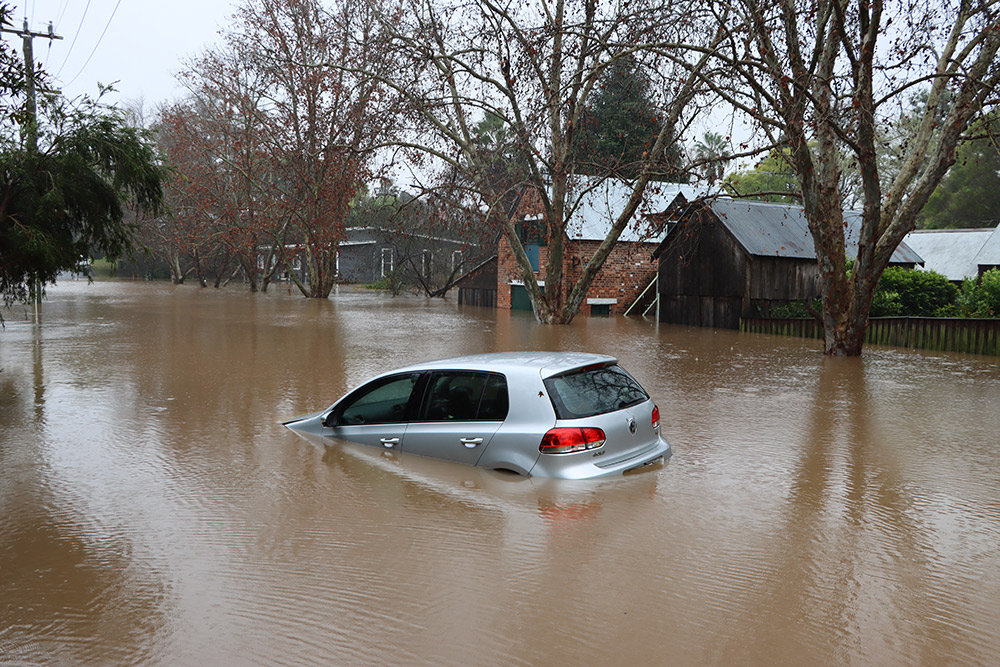
Discovering your house is flooded can evoke feelings of panic and helplessness. As homeowners in Cardiff and across South Wales, we know you value your peace of mind, your family’s safety, and the integrity of your properties. A flooded house disrupts all of these things, often leaving individuals scrambling in the aftermath of the damage. We understand how daunting such a scenario can be. At ‘101 Home Inspection,’ we believe in shifting that feeling of despair into informed, decisive action. As experts on residential flooding and home safety, we have gathered a comprehensive guide to help you navigate this unfortunate situation effectively.
Here’s a snapshot of the process you’d need to take after a flood:
- Ensure your safety: Evacuating the property if necessary and making sure to turn off electricity.
- Stop the water: If you safely can, try to stop the flooding at its source.
- Document the damage: Before starting the cleaning process, adequately documenting the damage is vital for insurance purposes.
- Cleanup and Dry out: Special attention needs to be given to the cleanup process, ensuring dampness and residual water is thoroughly cleaned up quickly to avoid additional damages.
- Contact your insurance company: It is crucial to report the flood event to your insurer and to understand what your policy covers.
- Begin repairs: Start the process of repairing and restoring your flooded house, ideally, with professional help.
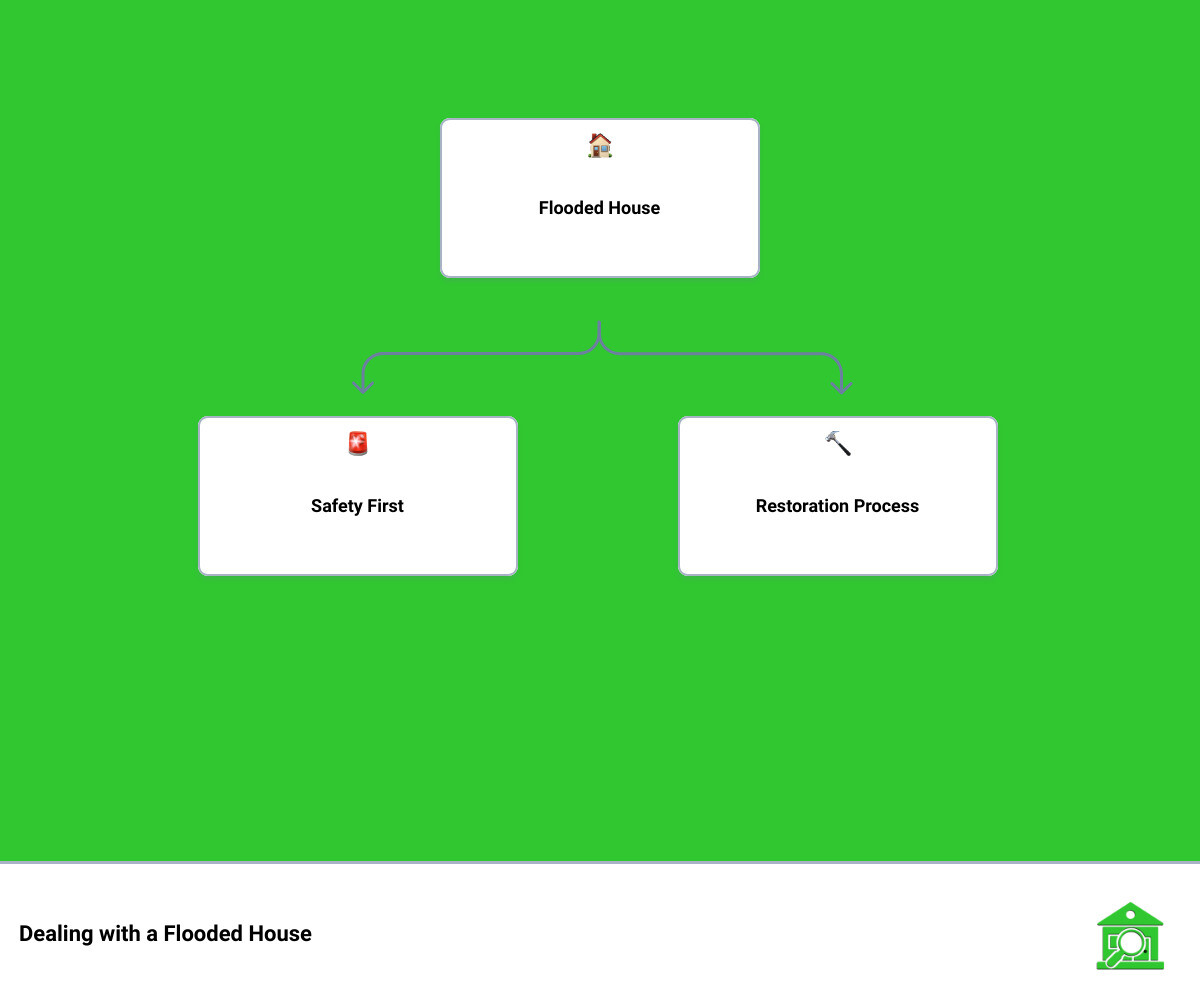
This guide aims to cover every aspect of dealing with a flooded house, from immediate actions to the restoration process. We also discuss the potential causes of house flooding, recording the damage, preventing subsequent mould growth, and seeking financial support. Stay tuned as we dive into the effective steps to salvage a flooded house.
Understanding the Causes of House Flooding
Understanding the potential causes of house flooding is a crucial first step in both prevention and effective response. Floods can result from both external and internal factors. The more you understand about these, the better equipped you’ll be to protect your property and act swiftly should a flood occur.
External Causes of Flooding
External causes of house flooding are often heavily influenced by geographical location and climate. Homes located in areas prone to heavy rainfall or near bodies of water are naturally more susceptible to flooding. This can be compounded by factors such as the local soil’s water absorption rate, which can vary significantly depending on whether the soil is sandy, clay-based, or something else.
Climate change is also a growing concern for homeowners, as it can lead to more extreme weather conditions. This includes increased rainfall and more frequent and severe storms, which can significantly increase the risk of flooding. It’s important to take these changes into account when considering your property’s flood risk and implementing preventative measures.
Internal Causes of Flooding
While external factors are often beyond our control, internal causes of house flooding are usually more preventable. Common internal causes include plumbing failures such as burst pipes or leaks, faulty appliances, or problems with the property’s drainage systems.
In many cases, outdated or poorly maintained electrical systems can also contribute to flooding. This can occur if these systems malfunction and trigger a fire that then activates the property’s sprinkler system.
At 101 Home Inspection, we can’t stress enough the importance of regular home maintenance, including updating outdated wiring, checking for overloaded circuits, and inspecting your electrical panels for signs of wear or corrosion. Not only can these steps help prevent potential flooding, but they can also reduce the risk of electrical fires.
In the next section, we’ll cover the immediate steps you should take when your house is flooding. This includes how to safely stop the water at its source, the importance of turning off the electricity, and when to contact your insurer or landlord.
Immediate Actions to Take When Your House is Flooding
Experiencing a flood in your home can be a dreadful situation. The sight of water swiftly invading your property can be overwhelming. However, it’s crucial to act swiftly and wisely to minimize the damage and ensure your safety. In such a scenario, some immediate steps need to be followed.
Stop the Water at its Source
First and foremost, if the flooding is due to an internal issue, such as a burst pipe, try to stop the water at its source. This could mean turning off the water supply to your home. Knowing where your home’s main water shut-off valve is beforehand can prove instrumental in these situations.
Turn Off the Electricity
Next, it’s critical to turn off the electricity to prevent electrical shocks, short circuits, or fires. Only do so if you can reach the fuse box or circuit breaker without stepping into water. If it’s not possible, or if you’re unsure, don’t risk it. Instead, call a professional for assistance. At 101 Home Inspection, our team of experienced electricians is ready to help in such emergencies, ensuring your safety and minimizing potential electrical damage.

Evacuate the Premises
If the flooding is extensive, or if you’re instructed to do so by authorities, it’s time to evacuate the premises. Remember to prioritize your safety and the safety of your family over any material possessions.
Contact Your Insurer or Landlord
Once you’re safe, it’s time to contact your insurer or your landlord, if you rent. They’ll guide you on the next steps and document the incident for potential claims. Keep your insurance policy number and their contact details handy for such situations.
Remember, acting quickly and calmly during a flood can significantly reduce the overall impact on your home. By following these immediate steps and reaching out to professionals like us at 101 Home Inspection, you can navigate this challenging situation more effectively.

In the following sections, we’ll dive deeper into documenting the damage, cleaning up after a flood, and more. Stay tuned to learn how to salvage your flooded house effectively.
Documenting the Damage
Importance of Documenting the Damage
When the immediate danger has passed, it’s crucial to stand back and assess the impact. Documenting the damage caused by the flood is a vital step in the recovery process. This process is not merely a distressing reminder of the incident; it is a necessary step to ensure that you get fair compensation from your insurer. It provides a clear record of the extent of the damage, which assists in estimating the cost of repairs and replacements.
Moreover, a well-documented report of the flood damage can expedite the insurance claim process and potentially save you thousands of pounds. It’s a critical step to recoup as much of the cost of repairs as possible from your insurer, ensuring you don’t bear the financial burden alone.
How to Document the Damage
To document the damage, start with taking comprehensive, clear photographs and videos of all affected areas. Capture every room, from multiple angles, and don’t forget to include damaged furniture, appliances, and personal belongings. Remember, the more detail the better.
When taking photos, try to capture the water level, if possible. This can be a powerful proof of the severity of the flood. Also, take close-ups of specific damages like water-stained walls, warped doors, or damaged electrical systems.
In addition to visual documentation, create a written inventory of damaged items, including their approximate value and age. This can further assist in quantifying the financial impact of the flood.
Lastly, avoid throwing away damaged items until your insurer has had a chance to inspect them. If you have to dispose of items, for health and safety reasons, ensure you have sufficient photographic evidence first.
For all these tasks, remember to prioritize safety. If you spot any potential electrical hazards, such as exposed wires or waterlogged appliances, stay clear and immediately contact a licensed electrician, like us at 101 Home Inspection. Our team of experts can ensure a safe environment to proceed with your documentation and subsequent clean-up efforts.
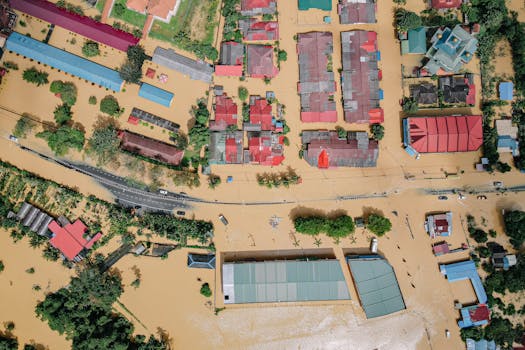
In the next section, we’ll guide you through the crucial cleanup process post-flooding. Proper cleanup is essential not only to restore your home to its former glory but to prevent further damage and health hazards.
Cleaning Up After a Flood
When a flood hits home, it leaves more than just water behind. Dirt, debris, and potentially harmful contaminants can linger long after the water has receded. Swift and proper cleanup is critical to mitigate further damage and ensure the health and safety of your home’s occupants.
Importance of Quick Cleanup
The aftermath of a flood can seem overwhelming, but it’s crucial to act fast. Standing water and wet materials are a breeding ground for viruses, bacteria, and mold, which can pose significant health risks if not addressed promptly. Moreover, fast action can limit structural damage to your home and save valuable belongings from permanent ruin.
At 101 Home Inspection, we understand the urgency of the situation and offer 24/7 Emergency Electrician Services to help you navigate through the electrical issues that often accompany floods.
How to Clean a Flooded House
The first step in cleaning a flooded house is removing mud and water as quickly as possible. This can be done using pumps or wet vacuums. Once the bulk of the water is gone, it’s time for thorough cleaning and disinfection.
Start by hosing down walls and floors before they dry. Rinse them several times and then clean and disinfect them. Start at the bottom and work upward using chlorine bleach, but remember: never mix bleach with ammonia as the fumes are toxic.
Affected items should be sorted – some may need to be thrown away, while others can be cleaned and disinfected. Be mindful of the potential for mold growth on porous materials and ensure everything is thoroughly dried out.
Lastly, provide adequate ventilation to help speed up the drying process and reduce the risk of mold. Long-term dehumidification may be necessary in some cases.
Don’t forget, if the task seems too overwhelming or if the flooding is extensive, professional help is always available. Our team at 101 Home Inspection is equipped to handle such emergencies and can provide the necessary guidance and services.
Dangers of a Flooded House
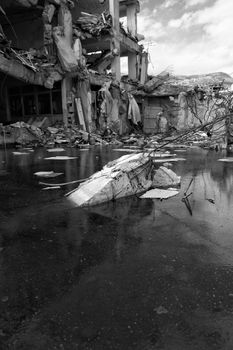
Flooding introduces new hazards inside and outside your home. Flood waters can carry sewage and other harmful substances indoors. Additionally, standing water and wet materials can become a breeding ground for viruses, bacteria, and mold. These pose serious health risks if not properly addressed, making cleanup and disinfection crucial.
A flooded house can also be dangerous due to potential electrical issues. Water and electricity are a dangerous mix, and it’s important to have a professional electrician inspect your home to ensure it’s safe before you start the cleanup process.
The restoration process after a flood can be daunting, but with the right knowledge and support, it’s certainly manageable. In the next section, we’ll discuss how to prevent mold damage, another vital step in getting your home back to normal.
Preventing Mold Damage
After facing a house flood, it’s not just the immediate water damage that you need to worry about. There’s a silent and potentially dangerous aftermath that can surface – mold.
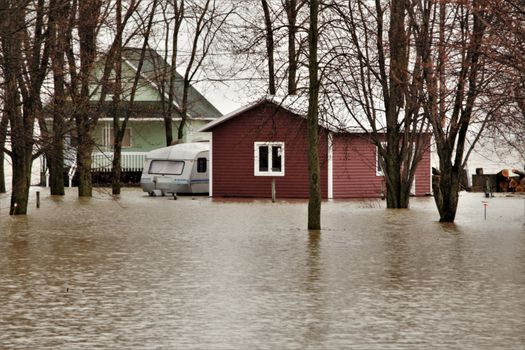
Why Mold is a Concern After Flooding
Mold is a type of fungi that thrives in wet and damp conditions, making a flooded house a perfect breeding ground. Mold spores can multiply rapidly, often appearing just 24 to 48 hours after a water incident. This fast-growing organism can cause structural damage to your home and, more worryingly, pose serious health risks.
Exposure to mold can lead to respiratory issues, allergic reactions, and in severe cases, can also cause neurological problems. This is especially troubling for those with existing respiratory conditions or weakened immune systems. Because of this, preventing mold after a flood should be a top priority.
Steps to Prevent Mold After a Flood
At 101 Home Inspection, we understand the importance of mold prevention and have put together a step-by-step guide to help you tackle this issue post-flood.
1. Remove Water and Dry Out the Area: The first step in preventing mold is to remove any standing water and dry out the area. This might involve using pumps, wet vacs, or dehumidifiers. The aim is to create an environment where mold cannot thrive.
2. Discard Mold-Prone Materials: Items like carpets, upholstered furniture, and mattresses that have been soaked and cannot be thoroughly dried should be discarded as they can become hotbeds for mold growth.
3. Clean and Disinfect: After the water is cleared and the area is dried, clean and disinfect all affected areas. This includes floors, walls, and any salvageable items. Use a solution of bleach and water (10% bleach) or a commercial mold remover.
4. Improve Ventilation: Increase air circulation and ventilation in the affected area. This can be done by using fans, opening windows, or using a ventilation system.
5. Monitor for Mold Growth: Even after taking these steps, it’s crucial to keep a close eye on the affected areas and other parts of your home for any signs of mold. If you see mold starting to develop or have a persistent musty smell, it may be time to call in the professionals.
Remember, the key to preventing mold growth after a flood is speed. Starting the cleaning and drying process as soon as possible can make all the difference in keeping your home mold-free.
At 101 Home Inspection, we are committed to ensuring the safety and wellbeing of your family and property. Our team of experts is ready to provide professional help and advice about mold prevention and other home safety concerns. Don’t let a flood turn into a larger disaster; take swift action to prevent mold damage in your flooded house.
Repairing and Restoring Your Flooded House
The sight of a flooded house can be overwhelming. Seeing your cherished home damaged by water can stir up a storm of emotions, but it’s essential to remember that the situation is not beyond repair. At 101 Home Inspection, we’ve seen it all, and we have the expertise to help you restore and repair your home, allowing you to regain your peace of mind.
When to Seek Professional Help
As much as you may be tempted to roll up your sleeves and tackle the cleanup yourself, it’s crucial to understand the potential dangers and complexities of restoring a flooded house. Flood waters can carry harmful substances like sewage, chemicals and animal waste, making the cleanup process a potential health hazard. Moreover, water damage can penetrate deeper than the eye can see, affecting the structural integrity of your home and potentially leading to mold growth.
Our advice is to contact a team of professionals like us at 101 Home Inspection. With our wealth of experience in dealing with flooded homes, we can effectively manage the cleanup, drying, and repair process. We use high-quality materials that can withstand moisture and heavy use, ensuring that your home is restored to a safe and comfortable state. Our services come with a guarantee, giving you peace of mind.
DIY Repairs for Minor Flood Damage
For less severe cases of flooding, where water levels are low and the water source is clean, you may be able to undertake some cleanup and repairs yourself. Before you start, ensure you have the right personal protective equipment, including gloves, a face mask, and sturdy footwear.
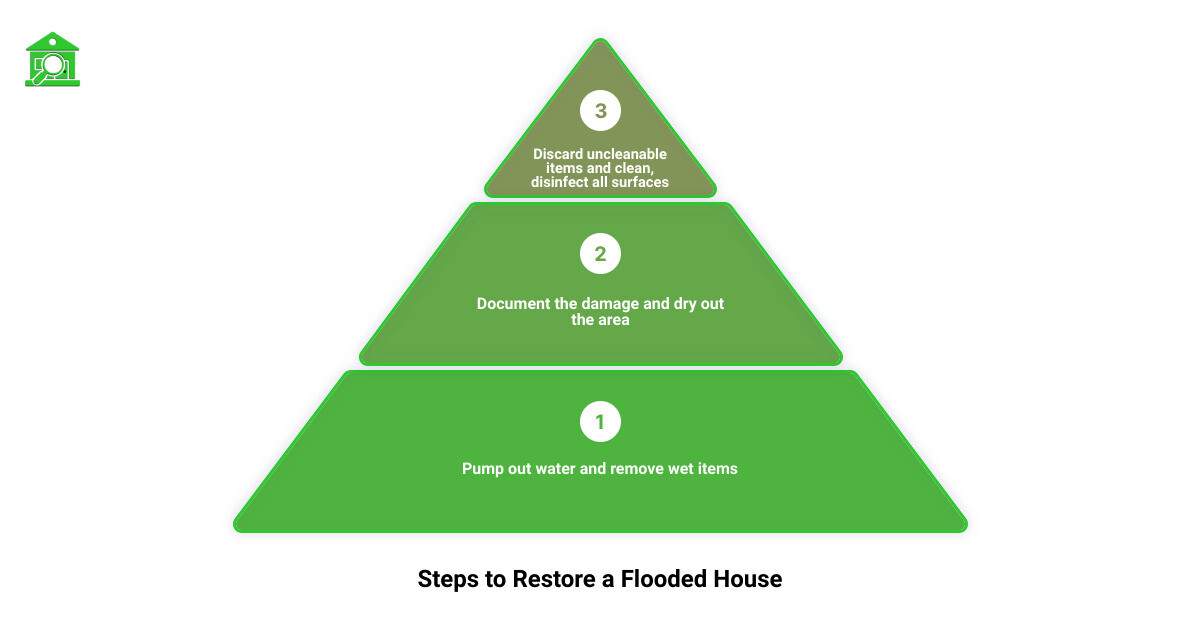
Start by pumping out water and removing wet items. Then, document the damage, taking photographs for insurance purposes. Dry out the area thoroughly using heaters or dehumidifiers, ensuring good ventilation. Discard items that cannot be cleaned, like mattresses and carpets, and clean and disinfect all affected surfaces.
Remember, a seemingly minor issue can snowball into a larger problem if not addressed correctly. When in doubt, it’s always safer to call in professionals.
Whether you’re dealing with minor or major flood damage, the key is to act quickly. The longer you wait, the more damage water can do to your home. At 101 Home Inspection, we’re committed to helping homeowners in Cardiff navigate the challenges of a flooded house, providing efficient and effective solutions to restore your home to its former glory.
Protecting Your Property from Future Floods
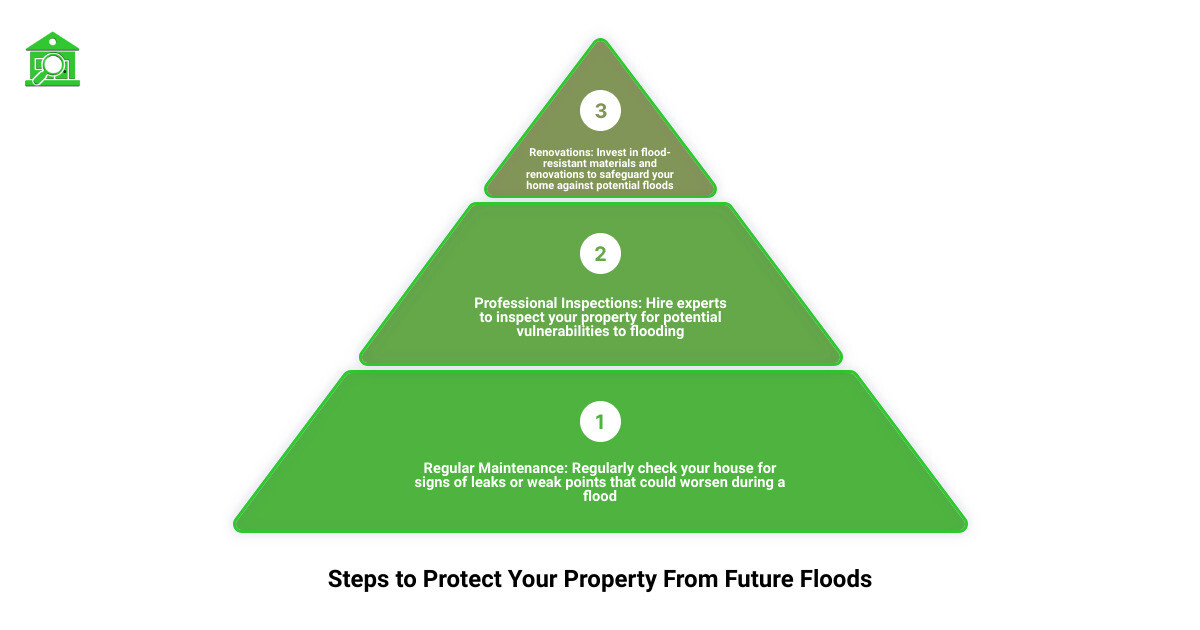
When it comes to protecting your property from future floods, taking preventative measures is key. At 101 Home Inspection, we understand the importance of safeguarding your Cardiff home against potential flood damage. Here are some effective steps you can take to minimize the risk of future flooding.
Installing Non-Return Valves
One practical flood prevention measure is installing non-return valves. These devices prevent water from flowing back into your home through your drains, a common issue during heavy rainfall or surges in the local water table. A non-return valve allows water to flow out of your home but prevents it from coming back in, effectively acting as a one-way gate for water.
Nelson Watson, our in-house expert at 101 Home Inspection, strongly recommends the installation of non-return valves, especially in properties prone to flooding. By preventing backflow, you can significantly reduce the chances of water entering your home during a flood.
Choosing Flood-Resistant Materials for Your Home
Another crucial step in flood-proofing your home is choosing flood-resistant materials. These materials are designed to withstand water damage and can quickly dry out without sustaining significant damage.
In the kitchen, for instance, consider using stainless steel and treated wood for shelves and cabinets. These materials are durable, easy to clean, and resistant to moisture, making them an excellent choice for flood-prone areas. For flooring, tiles are a better choice over carpets as they are easier to clean and dry after a flood.
As Nelson Watson puts it, “The materials you choose for your home renovation can significantly impact its resilience against flooding. By prioritizing quality and considering your specific needs, you can create a home that will not only serve you well for years to come but also withstand the challenges posed by flooding.”
In conclusion, protecting your property from future floods involves both proactive measures and smart renovations. Regular maintenance, professional inspections, and responsible practices are key to mitigating these risks. Don’t wait until a small issue becomes a significant hazard. Invest in the safety of your home and enjoy peace of mind knowing that your property is prepared for potential floods.

Seeking Financial Aid for Flood Recovery
A major flood can lead to extensive damage, requiring significant funds and resources for recovery. Fortunately, there are avenues available to help homeowners financially in the aftermath of a flood.
Contacting Your Local Council for Aid
Your first port of call after the immediate crisis subsides should be your local council. In the UK, it’s the local council that is responsible for providing immediate support and guidance to affected residents.
They can provide information on available support schemes, local relief efforts and potential opportunities for financial aid. You can find your local council through the government’s directory.
Applying for Financial Aid
Financial aid for flood recovery can come in various forms and from various sources. Depending on your circumstances and the extent of your property’s damage, you may qualify for different types of aid.
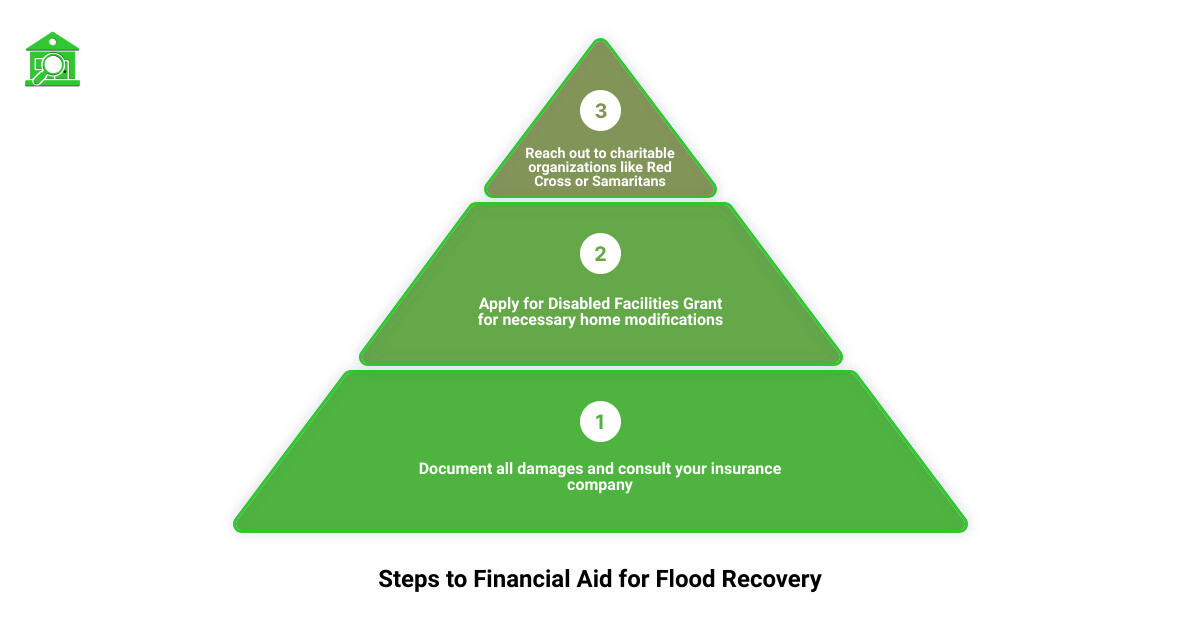
One potential source of aid is a Disabled Facilities Grant. If your home requires specific adaptions like a stairlift installation to enhance mobility and accessibility, you could be eligible for this grant. As experts in home improvement, at 101 Home Inspection, we can guide you through the process and provide advice tailored to your unique needs.
Aside from governmental aid, you may also consider reaching out to charitable organisations like the Red Cross or the Samaritans. These organizations often provide emotional support, as well as potential financial aid, to those affected by disasters like flooding.
Finally, don’t forget to consult your insurance company. If you have comprehensive coverage, your insurance may cover a large portion of the repair and restoration costs. However, it’s crucial to thoroughly document all damages and communicate effectively with your insurance adjuster to ensure a fair assessment.
Recovering from a flood can be a daunting process, but with the right help and resources, it’s entirely possible to restore your home and regain your peace of mind. At 101 Home Inspection, we’re here to help every step of the way, from the initial damage assessment to final restorations.
Conclusion
Dealing with a flooded house can be a stressful and overwhelming experience. However, armed with the right knowledge and a proactive approach, you can effectively manage this challenging situation and restore your home to a safe, livable condition.
Remember, the first and foremost priority should be safety. Always evacuate the premises if the situation is dangerous and turn off the electricity to avoid electrical hazards. Promptly documenting the damage and contacting your insurer or landlord are also necessary steps in the recovery process.
Cleaning and drying out your home as quickly as possible can help prevent the growth of mold, which can pose serious health risks. Don’t hesitate to seek professional help for this task if it seems overwhelming.
At 101 Home Inspection, we’re committed to helping homeowners in Cardiff, South Wales, navigate these challenges. Our team of experienced professionals can provide support and guidance, ensuring your home is restored to an optimal condition following a flood.
Moreover, consider future-proofing your home against potential floods. Installing non-return valves and opting for flood-resistant materials can significantly reduce the risk of future flood damage. Financial aid could be available from your local council to help cover some of these costs.
Floods are a harsh reminder of nature’s unpredictability, but they don’t have to spell disaster. With preparation, prompt action, and the right support, you can weather the storm and come out stronger on the other side. As a homeowner, it’s crucial to be aware of the steps you can take to mitigate damage, protect your property, and ensure the safety and well-being of your family.
Remember, you are not alone in this journey. We at 101 Home Inspection stand with you, ready to provide our expertise and services, helping you turn your house back into a home.