Unveiling The Hidden Dangers Of Electrical Systems In Your Home
Electricity has become an indispensable part of modern living, powering our homes, appliances, and gadgets. While we rely on it daily, we often take the electrical systems in our homes for granted. Behind the convenience and comfort, however, lie potential hazards that, if left unchecked, can lead to fires, injuries, or even fatalities. In this blog, we will unveil the hidden dangers of electrical systems in your home and discuss how to mitigate them to ensure the safety of your loved ones and your property.
Outdated Wiring
Many older homes still have outdated electrical wiring that may not meet current safety standards. Knob and tube wiring, for example, was common in homes built before the 1950s. This type of wiring is not only obsolete but also poses a high risk of electrical fires due to its lack of grounding.
Solution: If your home has outdated wiring, consider hiring a licensed electrician to assess and upgrade your electrical system to modern standards. This may involve rewiring your entire house, but it’s a crucial step in ensuring safety.
Overloaded Circuits
In our increasingly digital age, we have more electronic devices and appliances than ever before. Overloading circuits by plugging too many devices into a single outlet can lead to overheating and fires.
Solution: Avoid daisy-chaining power strips and use dedicated circuits for high-power appliances like refrigerators and air conditioners. Consider adding more outlets or installing circuits to distribute the electrical load evenly.
Poorly Maintained Electrical Panels
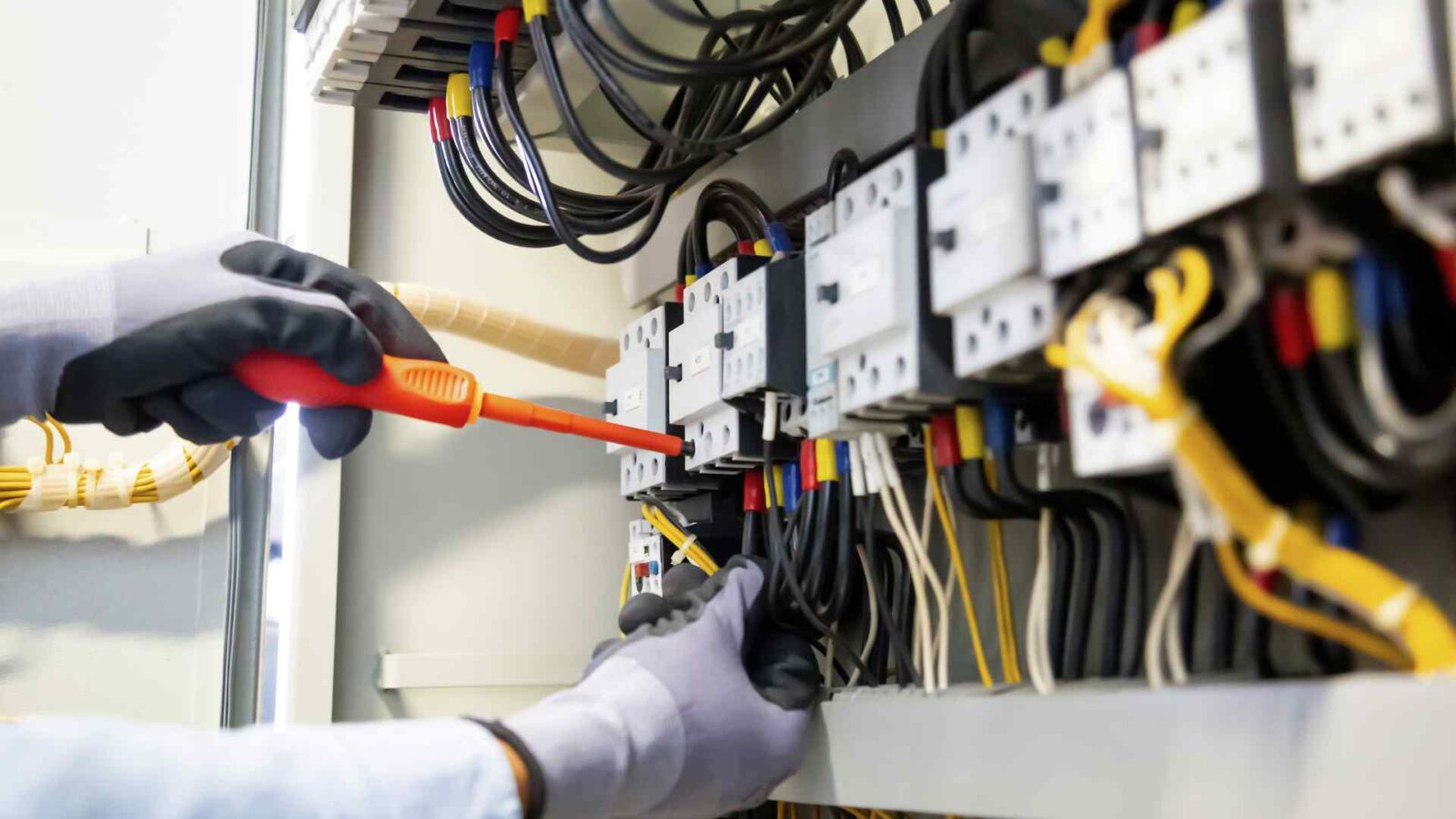
The electrical panel, also known as the breaker box or fuse box, is the hub of your home’s electrical system. Over time, these panels can become corroded, outdated, or damaged, increasing the risk of electrical problems.
Solution: Have your electrical panel inspected regularly by a licensed electrician. If it’s outdated or shows signs of wear, consider upgrading to a modern panel with circuit breakers that provide better protection against overloads.
Exposed Wiring and Wiring Hazards
Exposed wiring, damaged insulation, or loose wires can pose immediate dangers. Pets or children may chew on wires, causing electrical shocks, and exposed wires can spark fires.
Solution: Regularly inspect your home for exposed or damaged wiring and address any issues promptly. Keep cords and wires out of reach of pets and children. Consider using cord protectors to cover exposed cables.
Faulty Outlets and Switches
Over time, outlets and switches can wear out or become loose, increasing the risk of electrical problems. Loose connections inside electrical outlets and switches can lead to arcing, which can result in fires.
Solution: If you notice loose outlets or switches, or if they feel warm to the touch, have them replaced by a qualified electrician. Consider upgrading to tamper-resistant outlets to protect children from accidental electric shocks.
DIY Electrical Work
Attempting electrical repairs or installations without proper knowledge and training is a common and dangerous practice. DIY electrical work can lead to faulty connections, electrical shock, and fires.
Solution: Always hire a licensed and experienced electrician for electrical work in your home. This ensures that the work is done safely and up to code.
Water and Electricity Don’t Mix
Water and electricity are a deadly combination. Wet conditions in kitchens, bathrooms, and outdoor areas increase the risk of electrical shock and short circuits.
Solution: Install Ground Fault Circuit Interrupters (GFCIs) in areas where water is present, such as kitchens, bathrooms, and outdoor outlets. These devices automatically cut off power when they detect a potential electrical fault, protecting you from shocks.
Ignoring Warning Signs
Many homeowners tend to ignore warning signs like flickering lights, tripped circuit breakers, or outlets that don’t work properly. These signs can indicate underlying electrical issues.
If you notice any unusual electrical behavior, don’t ignore it. It’s a sign that something is wrong. Contact a licensed electrician to diagnose and fix the problem before it becomes a more significant hazard.
Aging Appliances
Old appliances with worn cords and damaged plugs can be fire hazards. They may draw more power than they should, leading to overheating.
Solution: Regularly inspect your appliances for signs of wear and tear. Replace damaged cords and plugs immediately, and consider upgrading to energy-efficient and safer appliances.
Lack of Grounding
Grounding is a safety feature that helps protect against electrical shocks and fires by providing a safe path for electrical faults to dissipate.
Solution: Ensure that your electrical system is properly grounded. If you’re unsure, consult with an electrician to check the grounding of your electrical outlets and circuits.
In conclusion, understanding and addressing the hidden dangers of electrical systems in your home is vital for the safety and well-being of your family and property. Regular maintenance, professional inspections, and responsible electrical practices are key to mitigating these risks. Don’t wait until a small electrical issue becomes a significant hazard. Invest in the safety of your home and enjoy peace of mind knowing that your electrical system is up to code and free from potential dangers.