
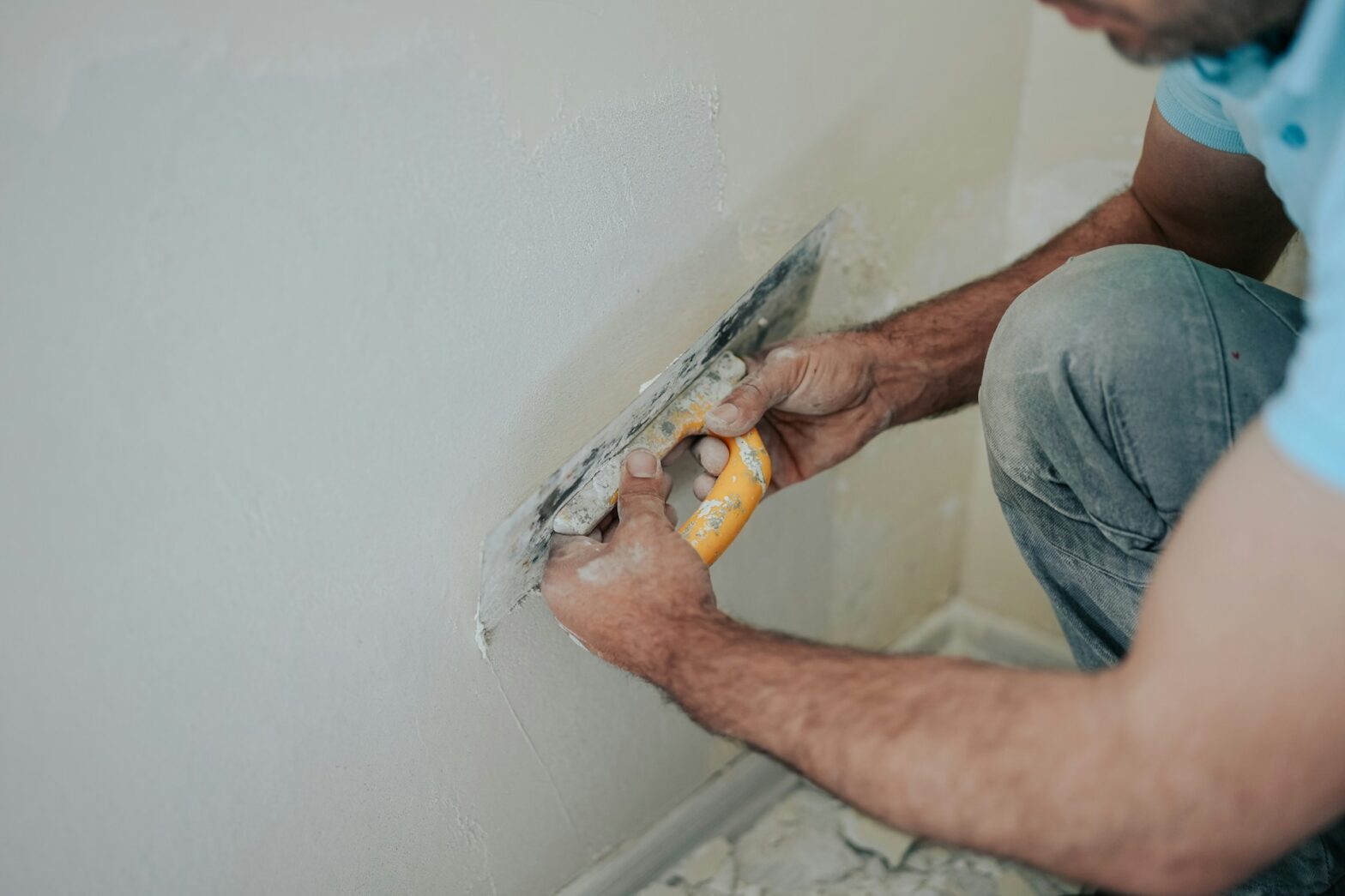
Plastering is a crucial part of many home renovations and new constructions. From exposed brick to damaged or poorly painted walls, plastering ensures a solid, polished finish. GBS Plastering, with their expertise in all aspects of plastering, can help transform rough surfaces into smooth, durable walls ready for paint or wallpaper.
Here’s a guide to when and why you may need to plaster in your home, and how to get a good job that will last.
Why Plastering is Important
Plastering walls is often required to get a smooth surface to paint or wallpaper. Without plastering the finished surface will show imperfections like small cracks, screw holes or uneven patches that ruin the look of a room.
Applying plaster also gives an extra layer of durability which is especially good in high traffic areas or areas with temperature and humidity fluctuations.
A good plasterer will not only apply plaster and get a smooth finish but will also make sure the surface is strong enough to withstand wear and tear over time.
For rooms with ceilings that need attention plastering can prevent issues like cracking and flaking that can come from old plaster or badly applied jointing compound.
When to Plaster
When should you plaster your walls or ceilings? Here are the signs that you may need to plaster:
- Loose Plaster and Hollow Sounds: If parts of your existing wall sound hollow when tapped it may be that the plaster has come loose. Re-plastering those areas will strengthen the wall and prevent further damage.
- Cracks and Small Holes: Small cracks in walls especially around screw heads or along seams may not need a full re-plaster but could do with a skim coat or jointing compound to fill the gaps.
- Exposed Brick or Old Plaster: Walls with exposed brickwork or old plaster can get a fresh coat of plaster to get a smooth painted surface.
- Irregular Surfaces and Screw Holes: If you have an uneven wall or surfaces with screw holes plastering can get an even surface to paint or wallpaper.
- Rooms with New Plasterboard: New walls or plasterboard installation requires plastering to get the wall finished and strong enough to withstand time and use.
Plastering Methods
There are several plastering methods that can be used depending on the job and the condition of the wall.
Skimming
Applied as a thin top layer over old plaster or plasterboard skimming gets a smooth finish. This is good for small areas or to give the wall a final coat before painting.
Wet Plastering
This is good for whole walls or rooms that need an even finish. Wet plastering involves applying two coats of plaster directly to the wall to get a smooth high quality finish.
Dry Lining
Used with plasterboard dry lining is a quicker option that saves time and minimizes mess. Not as durable as wet plastering but good for smaller less active areas.
When to Re-Plaster
Even well plastered walls will show signs of wear over time. Re-plastering may be needed if your walls are:
- Cracked or Flaking: Cracking and flaking plaster means the original plaster job has degraded. Re-plastering will get the wall back to its original durability and smooth finish.
- In Poor Condition After Painting or Wallpaper Removal: Painted walls that are uneven or scarred from wallpaper removal can get a new skim coat to get a clean surface to paint.
- Needing a Better Foundation for New Paint or Wallpaper: If the surface isn’t smooth it’s best to re-plaster before painting or wallpaper. This will get a smoother and longer lasting finish.
Surface Preparation is Key
To get a good result surface preparation is important in plastering work. Walls must be cleaned thoroughly and any loose plaster removed with a wire brush. Using blue grit or other adhesive agents will help plaster bond better to surfaces like old paint or rough brick.
Taping over joints and seams will prevent cracking and applying jointing compound will fill in imperfections.
A Good Plasterer
A good plasterer can make all the difference to the finish of a wall or ceiling. Hiring someone experienced will get the plastering smooth, crack free and ready for painting or other finishes.
DIY plastering can be time consuming and often results in imperfections so it’s worth considering professional help for larger or more visible areas.
Plastering Costs
Plastering costs will vary depending on the size of the job, the plasterer’s experience and the materials required. Whole rooms or large areas will cost more because of the extra coats and time required, smaller areas or patch repairs are generally cheaper.
Always get quotes from a few plasterers to get an idea of the cost, GBS Plastering offer a reliable and affordable plastering service in Cardiff and surrounding areas.
DIY vs Professional Plastering: Weighing Up
If you’re considering DIY then remember plastering is hard work. It requires precision to get an even smooth coat.
Small areas and minor cracks are manageable for a DIYer but larger areas and ceilings are best left to the professionals to get a perfect finish.
After Plastering: Painting and Finishing
Once plastering is complete and the walls are fully dry you can paint or wallpaper to get the look you want. Waiting for the plaster to dry fully is important to prevent paint peeling or wallpaper bubbling.
So there you have it, plastering is key to getting walls and ceilings to look their best and withstand daily life.