
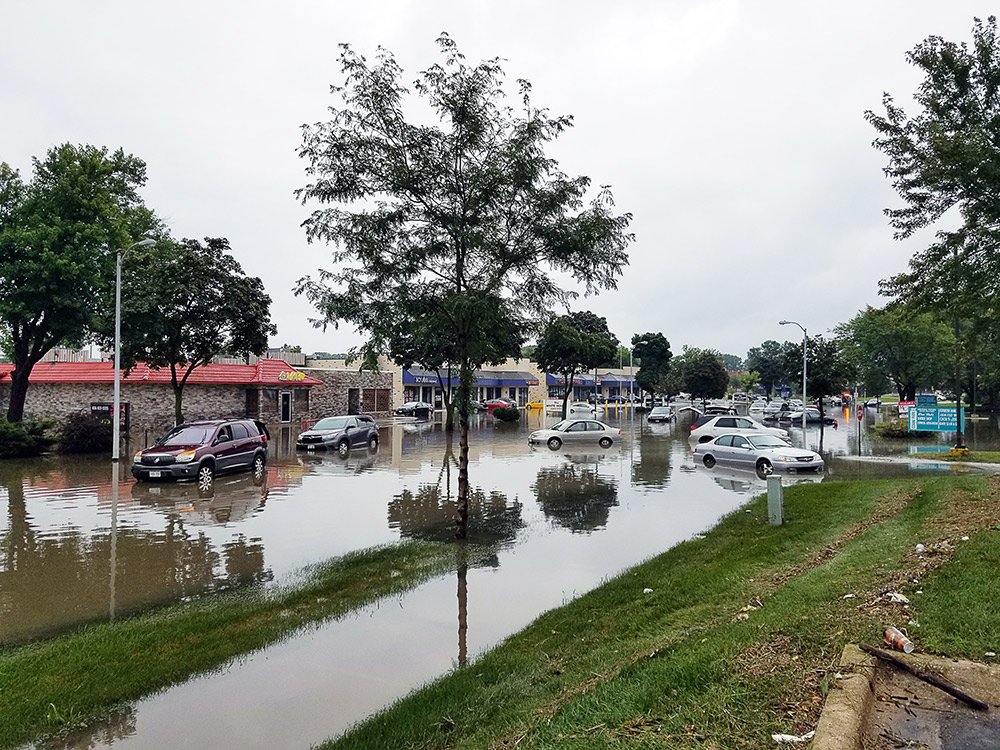
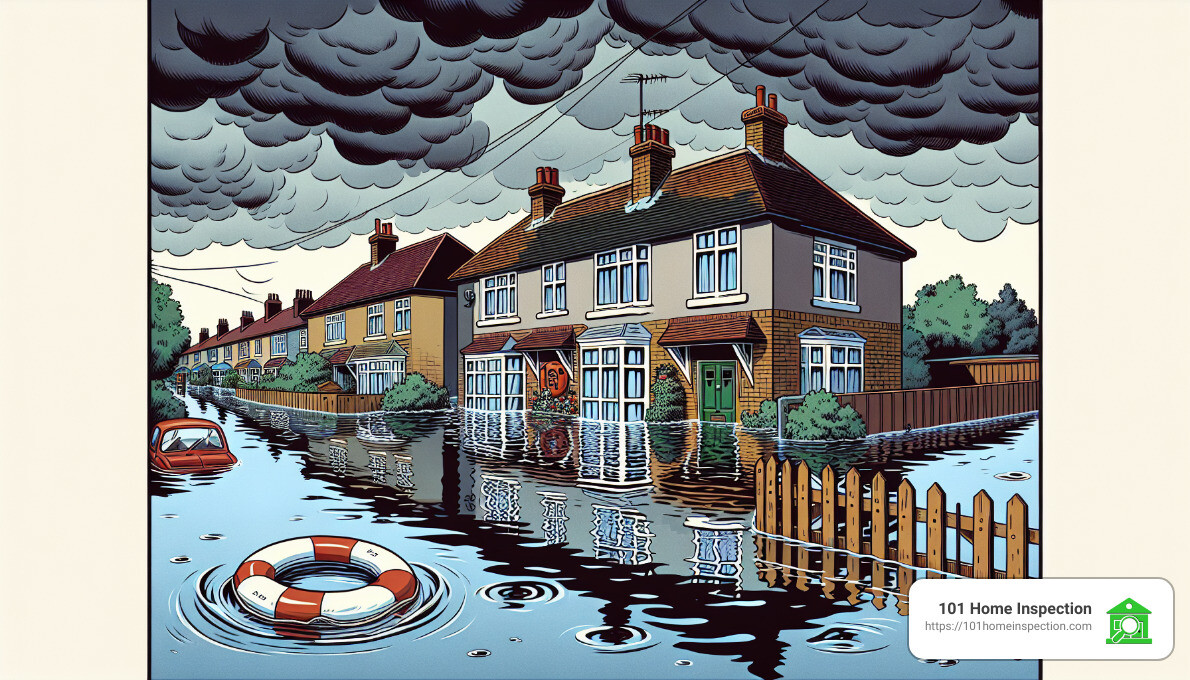
Welcome to your go-to guide, where we, 101 Home Inspection, aim to help you navigate all matters related to claiming water damage on your house insurance in the UK. We understand that discovering a water leak and the subsequent damage it inflicts can provoke feelings of worry and stress. Watching your cherished home suddenly swamped can be a nightmare, fracturing your peace of mind and potentially imposing an unanticipated financial burden.
An Essential Guide to Water Damage Claims on UK House Insurance
We empathize with Cardiff homeowners who value their home’s safety and individuality – your home is not just a structure, but your unique sanctuary. This guide aspires to alleviate some of the distress tied to water damage and is meant to equip you with the essentials of dealing with your house insurance in the context of water damage.
What do you generally need to know about water damage claims in the UK? Here’s an informative nugget to get you started:
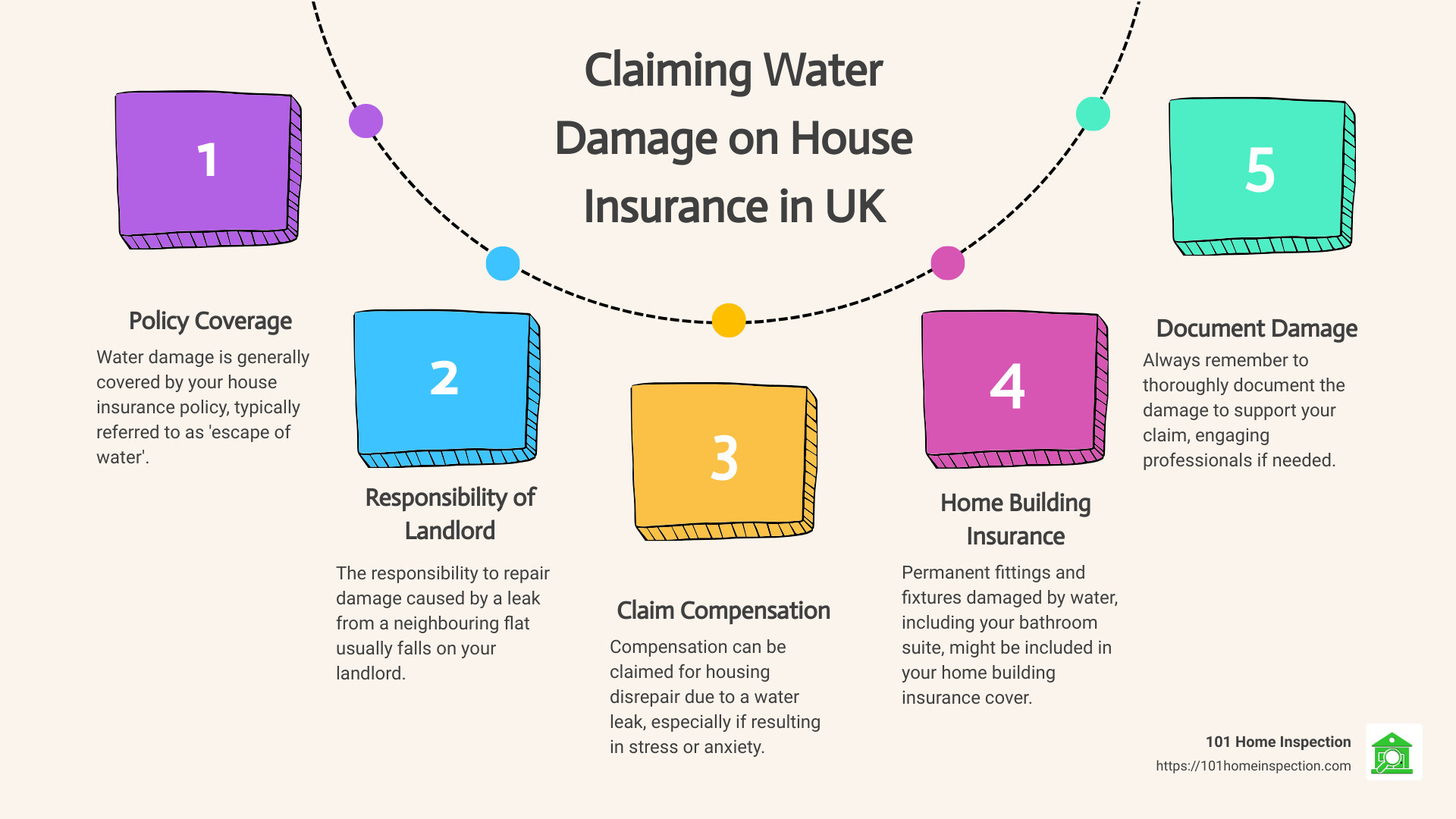
- Water damage is generally covered by your house insurance policy, typically referred to as ‘escape of water’.
- The responsibility to repair damage caused by a leak from a neighbouring flat usually falls on your landlord.
- Compensation can be claimed for housing disrepair due to a water leak, especially if resulting in stress or anxiety.
- Permanent fittings and fixtures damaged by water, including your bathroom suite, might be included in your home building insurance cover.
- Always remember to thoroughly document the damage to support your claim, engaging professionals if needed.
- Leak damage claims might be denied for reasons such as lack of maintenance, poor installation work, or if your house has been unattended for extended periods.
Understanding Water Damage and House Insurance in the UK
Navigating the intricacies of house insurance can feel overwhelming, especially when dealing with water damage. Here, we’ll break down the key concepts you need to understand when claiming water damage on house insurance in the UK.
What Constitutes Water Damage
First, let’s define what we mean by water damage. This generally refers to a variety of potential issues caused by water infiltrating your property, leading to destructive processes such as rotting of wood, growth of mould, rusting of steel, and more. It can occur due to several reasons, from a leaking dishwasher or burst pipes due to freezing temperatures, to a full-on flood.

How House Insurance Covers Water Damage
The good news is, water damage to your property is usually covered as a standard feature in your buildings insurance policy. Often referred to as ‘escape of water’ by insurers, it’s designed to protect against the destructive impact of water leakage.
Most home insurance policies will cover the cost of repairing any damage caused by the leak, such as ruined carpets or plasterwork, and the cost of replacing or repairing the part of the building that was damaged. It’s crucial, however, to check the details of your policy as cover can vary.
The Concept of ‘Escape of Water’ in Insurance Terms
‘Escape of water’ is a term you’ll often come across when dealing with house insurance. It’s insurance-speak for when water has escaped from where it should be – like pipes or appliances – and caused damage.
This concept is significant because most buildings insurance will cover you for ‘escape of water’ damage as standard. However, be aware that the damage to the leaking items themselves won’t be covered unless it’s due to an insured event like a fire or theft.
In essence, understanding these concepts will arm you with the knowledge you need when claiming water damage on house insurance in the UK. Remember, each insurance policy can vary, so it’s crucial to understand the terms and conditions of your specific policy. Seek advice from an insurance agent or loss assessor if you’re unsure about anything.
At 101 Home Inspection, we’re here to help you navigate these challenges and ensure your home remains a safe and comfortable space for you and your loved ones.
The Process of Claiming Water Damage on House Insurance in the UK
Realising you have a water leak in your home is daunting. But don’t fret. You’re not alone, and we’re here to help guide you through the process of claiming water damage on house insurance in the UK.
Immediate Steps to Take When You Notice a Leak
When you notice a water leak, immediate action is key. Turn off your water supply to halt the water flow and prevent further damage. This action shows your insurer that you’ve taken reasonable steps to minimise the issue. Remember, the faster you act, the lesser the damage and the stronger your insurance claim.
Documenting the Damage for Your Insurance Claim
Once you’ve got the leak under control, it’s time to start documenting. Snap pictures or record videos of the leak and the resulting damage. Make sure to capture every room affected, from multiple angles. This visual evidence is crucial for your insurance claim, so be thorough. Also, create a written inventory of damaged items, including their estimated value and age. This information gives your insurer a clear idea of the financial impact of the damage.
At 101 Home Inspection, we strongly advise not to dispose of any damaged items until your insurer has had a chance to inspect them. If you need to throw something away for health and safety reasons, make sure you have enough photographic evidence first.
Contacting Your Insurance Company and What to Expect
Inform your insurer about the leak as soon as you can. They might send a loss adjuster to assess the damage, or they could ask you to get repair work quotes from local tradespeople. It’s worth noting that at any stage of your claim, you can appoint a loss assessor to handle the entire claim process on your behalf. They will ensure you understand what you can and cannot claim for on your policy.
Make use of a good claims management company
The process of making a claim and getting the right level of compensation, and also getting the work done, can be a long drawn-out process. Using a Claims management company or loss loss adjuster can make the whole process easy. They will take a percentage of the claim but may also be able to get an increase in payout to cover this. They will also manage the work required.
Understanding ‘Trace and Access’ Cover in Your Insurance Policy
Finally, let’s talk about ‘trace and access’ cover. This part of your policy covers the cost of finding and fixing the leak source. If your leak source is hidden, you’ll need to claim for the cost of finding and repairing the leak under this cover.
Remember, understanding your policy thoroughly is essential. If you have ‘home emergency’ cover, your insurer might also cover the cost of emergency repairs.
We understand that claiming water damage on house insurance in the UK can be a complex process. But with these steps, we hope to make it a bit more manageable. At 101 Home Inspection, we’re always here to help you ensure a safe environment while you navigate these challenges.
Factors That Can Influence Your Water Damage Claim
When it comes to claiming water damage on house insurance in the UK, several factors can influence the outcome of your claim. These factors include the quality of maintenance and installation, the wear and tear of your property, and the expertise of the tradespeople carrying out the repairs.
The Role of Maintenance and Installation Quality in Claims
The quality of maintenance and installation of your appliances and plumbing can have a substantial impact on your water damage claim. For instance, water leaks caused by factors such as old or worn pipes or faulty appliances might not be covered by your insurance policy. These causes are often considered ‘wear and tear’ which is typically not covered by home insurance.
Maintaining your appliances and plumbing systems in good condition is crucial. Regular checks and servicing can prevent leaks and water damage in the long run, similar to how you wouldn’t drive a car without regular checks and servicing.
How Wear and Tear Can Affect Your Claim
Wear and tear is a common factor that can affect your water damage claim. This typically refers to the gradual deterioration of your property over time due to normal use. For instance, old or worn pipes are considered to be wear and tear, and as such, may not be covered by your home insurance.
However, damage caused by sudden and unexpected incidents, such as storm damage, is often covered, depending on the details of your policy. That’s why it’s essential to understand your policy and what it covers thoroughly.
The Importance of Choosing Experienced Tradespeople for Repairs
The tradespeople you choose to carry out repairs can also influence your claim. Selecting experienced and trusted professionals is crucial for ensuring high-quality work. At 101 Home Inspection, we believe in the importance of expertise and quality workmanship.
Poorly executed repairs can lead to further damage, and may also affect the outcome of your insurance claim. It’s essential to choose tradespeople who can carry out repairs to the highest standard, ensuring the longevity and integrity of your property.
In conclusion, understanding the factors that can influence your water damage claim can make the process less daunting and more manageable. At 101 Home Inspection, we’re here to help guide you through these complexities and ensure your home remains a safe and secure place for you and your family.
Dealing with Water Leaks Originating from Neighbouring Properties
Sometimes, water leaks causing damage to your home may originate from a neighbouring property. This can be a tricky situation, but understanding how the insurance claim process works can help you navigate it more effectively.
When Your Neighbour’s Insurance Should Cover the Damage
In an ideal scenario, if a water leak originates from your neighbour’s property and causes damage to your home, their insurance should cover the costs. It’s crucial to remember that water leaks are often unintentional and unexpected, so it’s important to discuss the situation calmly and professionally with your neighbour.
However, it’s not always as straightforward. The neighbour’s insurance might deny the claim, or they might be uninsured. This is where your own insurance comes into play.
The Process of Claiming on Your Own Insurance and Reclaiming the Cost
If your neighbour’s insurance is not stepping in to cover the damage, you may need to claim on your own insurance. Once your claim is successful, your insurer can reclaim the cost from the neighbour or their insurer. This process is often known as subrogation.
Here is the step-by-step process:
- Document the damage: Take pictures or videos of the damage caused by the leak, which can be used as evidence for your claim.
- Contact your insurer: Inform your insurer about the situation and provide them with the necessary details.
- Work with adjusters: Your insurance company may send a loss adjuster to assess the damage. Cooperate with them, providing all required information and evidence.
- Fix the damage: Once the claim is approved, you can proceed with fixing the damage. Remember, it’s essential to hire experienced tradespeople for repairs to ensure quality work.
- Reclaim the cost: After the repairs, your insurer will try to reclaim the cost from the neighbour’s insurer or from the neighbour directly if they’re uninsured.
Remember, water leaks can be a source of stress, but with the right knowledge and immediate action, you can navigate the process of claiming water damage on house insurance in the UK effectively. At 101 Home Inspection, we’re committed to helping you through these challenging times, offering our expertise and support every step of the way.
Tips for a Successful Water Leak Insurance Claim
When it comes to claiming water damage on house insurance in the UK, there are a few key steps you can take to increase your chances of a successful claim. Let’s take a closer look at these crucial steps.
The Importance of Acting Quickly and Minimizing Damage
As soon as you spot a leak, it’s critical to act swiftly. Shut off your water supply immediately to prevent further damage, and do what you can to mitigate the issue, such as draining your system. This not only minimizes the damage but also demonstrates to your insurer that you’ve taken reasonable steps to manage the situation.
Documenting the Leak and Damage Thoroughly
Comprehensive documentation is vital when making an insurance claim. Start by taking clear photographs and videos of the affected areas, the source of the leak, and the resulting damage. It’s a good idea to capture every room from multiple angles and include damaged furniture, appliances, and personal belongings. The more detail, the better. Also, create a written inventory of damaged items, noting their approximate value and age. This documentation will provide invaluable evidence when making your claim.
Claiming for ‘Trace and Access’ Cover
If the source of the leak is hidden, you may need to claim for the cost of locating and repairing it under your ‘trace and access’ cover. This is a common feature in most UK house insurance policies, but it’s always worth checking your policy to make sure you’re covered.
Seeking Advice from Insurance Agents or Loss Assessors
Lastly, don’t hesitate to seek advice from professionals. Insurance agents can help you understand your policy and guide you through the claims process. Alternatively, you can appoint a Loss Assessor to handle the entire claim process on your behalf.
Just remember, whether you’re dealing with a small leak or extensive water damage, the team at 101 Home Inspection is here to help. We offer expert advice and services to ensure a safe environment for you to proceed with your insurance claim and subsequent clean-up efforts. With these tips in mind, you’ll be well-prepared for claiming water damage on house insurance in the UK.
Preventing Water Leaks and Protecting Your Home
To reduce the odds of having to go through the process of claiming water damage on house insurance in the UK, it’s crucial to take preventative measures. These steps can significantly decrease the likelihood of water leaks and the potential damage they can cause to your home.
Regular Maintenance of Pipes and Appliances
Just as you wouldn’t drive a car without regular checks and servicing, the same applies to your home’s plumbing system. Keeping the pipes and appliances that use water in good condition is an essential step in preventing water leaks.
Stopcocks – make sure you know their locations and test them regularly as they can seize up over time. Turning off the stopcock as soon as a leak is detected can limit the damage caused.
Also, regularly inspect the pipes where your appliances are plumbed in for any looseness, leaks, or drips. Small leaks can escalate into major issues if not addressed promptly.
Installing Leak Detection Devices
Leak detection devices can be a valuable safeguard against water damage. These devices monitor your usual water use and shut off the water if they suspect a leak. To ensure their proper installation and functioning, it’s best to hire a professional like us at 101 Home Inspection.
Understanding the Location of Water Pipes Before DIY Projects
If you decide to do any drilling or DIY home improvements, it’s vital to know the location of your water pipes to prevent accidentally puncturing them—causing a water leak. A stud finder can help you locate pipes behind walls.
Remember, using appliances when you are home can help you spot a deluge of water or a leak before it causes significant damage to your home.
By taking these steps, you can significantly reduce the risk of water damage in your home, providing you with peace of mind and potentially saving you the hassle and stress of making a water damage insurance claim.
Conclusion
In the process of claiming water damage on house insurance in the UK, it’s essential to understand the intricacies and nuances involved. From immediate action upon noticing the leak, documenting the damage, to finally contacting your insurance firm, each step is crucial to ensure a successful claim. ‘Trace and Access’ cover can also play a significant role in the claim process by covering the costs of locating and accessing the source of a leak.
Factors such as maintenance, installation quality, and wear and tear can significantly influence your claim. Therefore, it’s essential to ensure regular maintenance of your property and hire experienced tradespeople for repairs and installations. In cases where water leaks originate from neighbouring properties, understanding the dynamics of whose insurance should cover the damage can be beneficial.
There’s no doubt that dealing with water damage can be stressful and time-consuming, but with proper knowledge and timely action, homeowners can navigate through the process effectively. At 101 Home Inspection, we pride ourselves in providing expert advice and services to help homeowners in Cardiff and South Wales handle their home improvement and security needs with ease.
Finally, prevention is always better than cure. Regular maintenance of pipes and appliances, installing leak detection devices, and mindful planning of DIY projects can go a long way in preventing water leaks. Remember, a well-maintained home not only saves you from unnecessary stress and cost, but also ensures a safe and comfortable living environment for you and your loved ones.
Claiming water damage on house insurance in the UK doesn’t have to be a daunting task. With the right knowledge and support, you can navigate through the process smoothly and ensure fair compensation. At 101 Home Inspection, your peace of mind is our top priority.