
When it comes to effectively managing garbage throughout a variety of jobs, including home renovations, garden clean-ups, and building projects, skips are indispensable tools. It is vital to comprehend which things are acceptable and which are not for disposal in a skip. Always remember to find a good skip provider such as The Skip Company
Understanding what belongs in and what doesn’t in a skip helps with safe and responsible garbage disposal in addition to guaranteeing that standards are followed. We’ll go over the kinds of rubbish that are normally allowed and not allowed in skips in this thorough guide.
What Can You Dispose Inside A Skip?
General Domestic Waste:
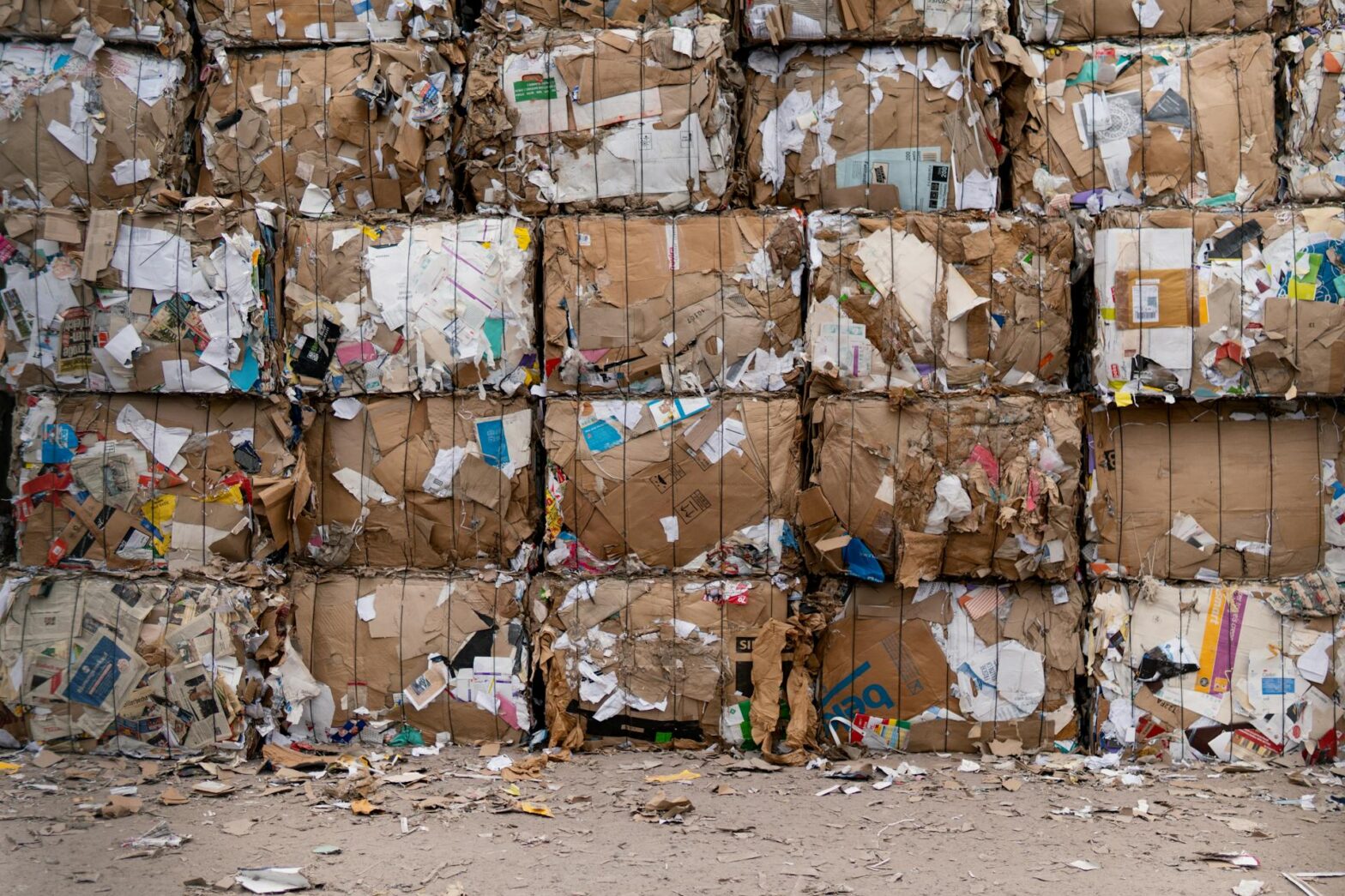
Paper, cardboard, plastic, and packaging materials are examples of common domestic trash that falls into this category. General household garbage includes a wide range of materials that are frequently found in households, from food packaging that has been abandoned to outdated periodicals and newspapers. Skips are an efficient way for homeowners to get rid of clutter and keep their living area neat.
Garden Waste:
Skips are often used to collect grass clippings, leaves, branches, and other organic debris from garden upkeep. Garbage from gardening tasks, such as tree cutting, grass mowing, and flower bed cleanup, may build up rapidly, particularly during busy seasons. Gardeners can keep their outside area nice and orderly without having to deal with the inconvenience of moving rubbish to disposal sites thanks to skip hiring, which offers a handy alternative for getting rid of green waste.
Building & Demolition Debris:
Skips are a convenient way to dispose of common debris created from building or demolition operations, such as bricks, concrete, rubble, tiles, and plasterboard. Whether you’re tearing down an old building, adding an addition, or remodelling a kitchen, construction projects can generate a lot of garbage. By providing an effective and affordable way to manage construction trash, skip hiring enables contractors to follow waste disposal laws and keep their jobsite safe and clean.
Appliances and Furniture:
You may usually put old appliances, beds, sofas, and refrigerators, washing machines, and ovens in a skip. It may be difficult for homeowners to get rid of big, bulky objects, whether it’s old furniture or new equipment. Skip hire is a practical way to get rid of big, bulky items, freeing up homeowners’ time to organise their homes and make more room without having to worry about making transportation arrangements or paying removal companies.
Wood:
If handled with no harmful chemicals, wood, pallets, and other wooden products can be disposed of in skips. Wood debris, ranging from old furniture and garden decking to building lumber, is a typical consequence of many undertakings. Skip hiring is a practical and eco-friendly way for households and companies to get rid of wood trash, minimising the amount of garbage that ends up in landfills.
Metal:
You may recycle scrap metal from remodelling projects or metal furniture in your home by placing it in skips. Metal trash is a significant resource that may be recycled and utilised in a variety of sectors. It can range from outdated appliances and plumbing fixtures to metal roofs and structural beams. Skip hiring is a practical way for businesses and homeowners to collect and recycle metal trash, minimising their environmental impact and conserving natural resources.
Inert Waste:
Although there could be weight restrictions on the quantity, inert materials like dirt, gravel, and pebbles are often allowed in skips. Earthworks initiatives, such as levelling a construction site or digging a garden, frequently produce inert waste materials. By providing contractors with a practical way to get rid of inert material, skip hiring enables them to follow waste disposal laws and keep their jobsite neat and orderly.
Non-Hazardous Waste:
Items like glass, pottery, and textiles that don’t endanger human health or the environment can be thrown away in skips. Non-hazardous garbage includes a broad variety of items that are frequently found in homes, from shattered glass and ceramics to worn-out clothes and linens. Skip rentals give homeowners an easy way to gather and get rid of non-hazardous rubbish, which helps them organise their spaces and dispose of waste properly.
What Are Things That Cannot Go Into A Skip?
Hazardous Materials:
Most skip hire businesses forbid the disposal of dangerous materials including oils, paints, pesticides, chemicals, asbestos, and solvents. Because of the possible threats to human health and the environment, these materials need to be handled and disposed of carefully. Skip hiring firms implement stringent requirements to guarantee the safe and responsible disposal of hazardous waste items, including those containing asbestos and dangerous chemicals.
Electrical Appliances and Batteries:
Because they include potentially dangerous parts and must be properly recycled, items like computers, televisions, fluorescent lights, batteries, and electrical wire shouldn’t be disposed of in skips. Electrical trash, from old gadgets to dead batteries, presents hazards to the environment and public health if improperly disposed of. In order to ensure the safe and appropriate disposal of electronic waste items, skip hiring businesses provide specialised recycling services for batteries and electrical gadgets.
Tyres:
Because tyres may be difficult to dispose of and may need special processing facilities, skip hire businesses often do not take tyres. Tyre trash, whether it be from old bicycle tyres or worn-out automobile tyres, may be hazardous to the environment and human health if improperly disposed of. Skip hiring businesses frequently refer clients to specialised recycling facilities for correct disposal in order to guarantee that tyre waste materials are disposed of safely and responsibly.
Medical Trash:
Because of the potential health concerns, it is not advisable to dispose of medications, syringes, infected objects containing blood or body fluids, or other medical trash in skips. Medical waste, which includes used needles and syringes as well as outdated drugs and medical equipment, presents threats to the environment and public health if improperly disposed of. Skip hiring businesses ensure regulatory compliance and reduce contamination risk by offering specialist medical waste material disposal services.