
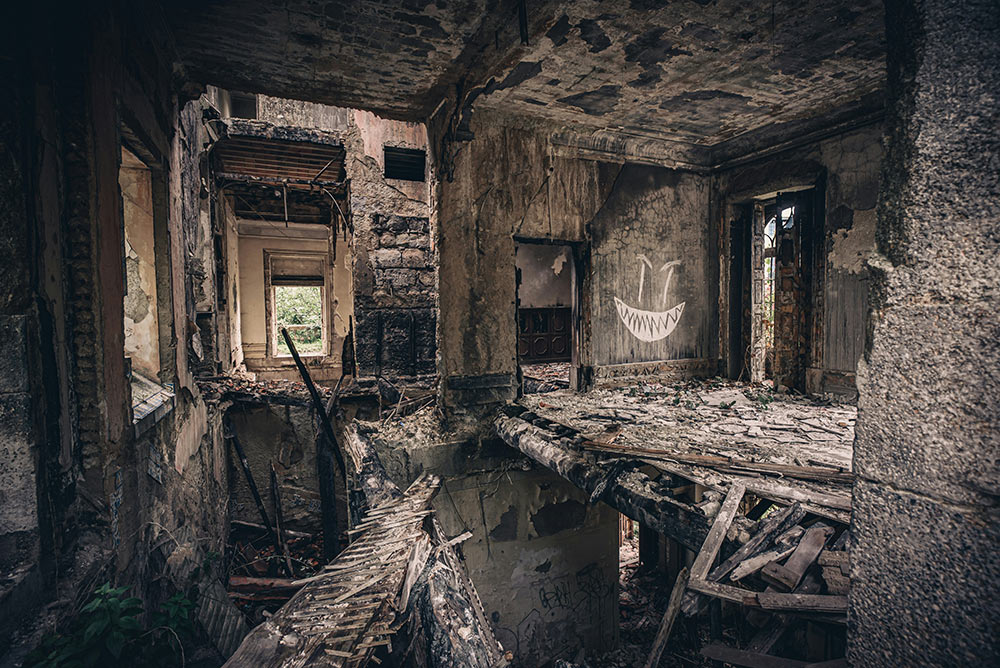
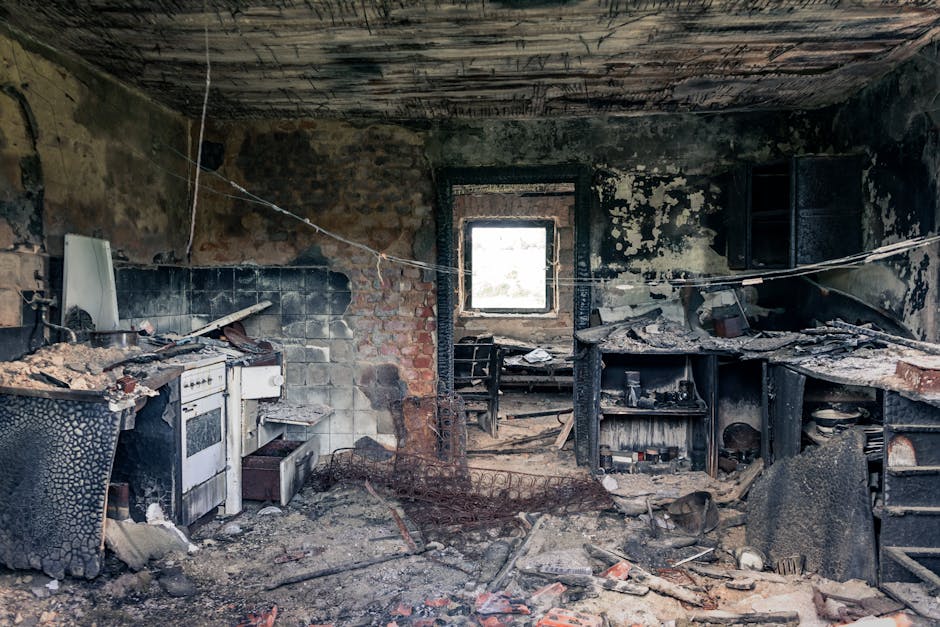
Dealing with fire damage claims in Bristol can be overwhelming and stressful. Fires can cause significant damage to property, leaving homeowners facing complex insurance claims processes. Whether you’re dealing with fire damage to your home or business, understanding how to file a claim effectively is crucial for a successful outcome.
Quick Answer:
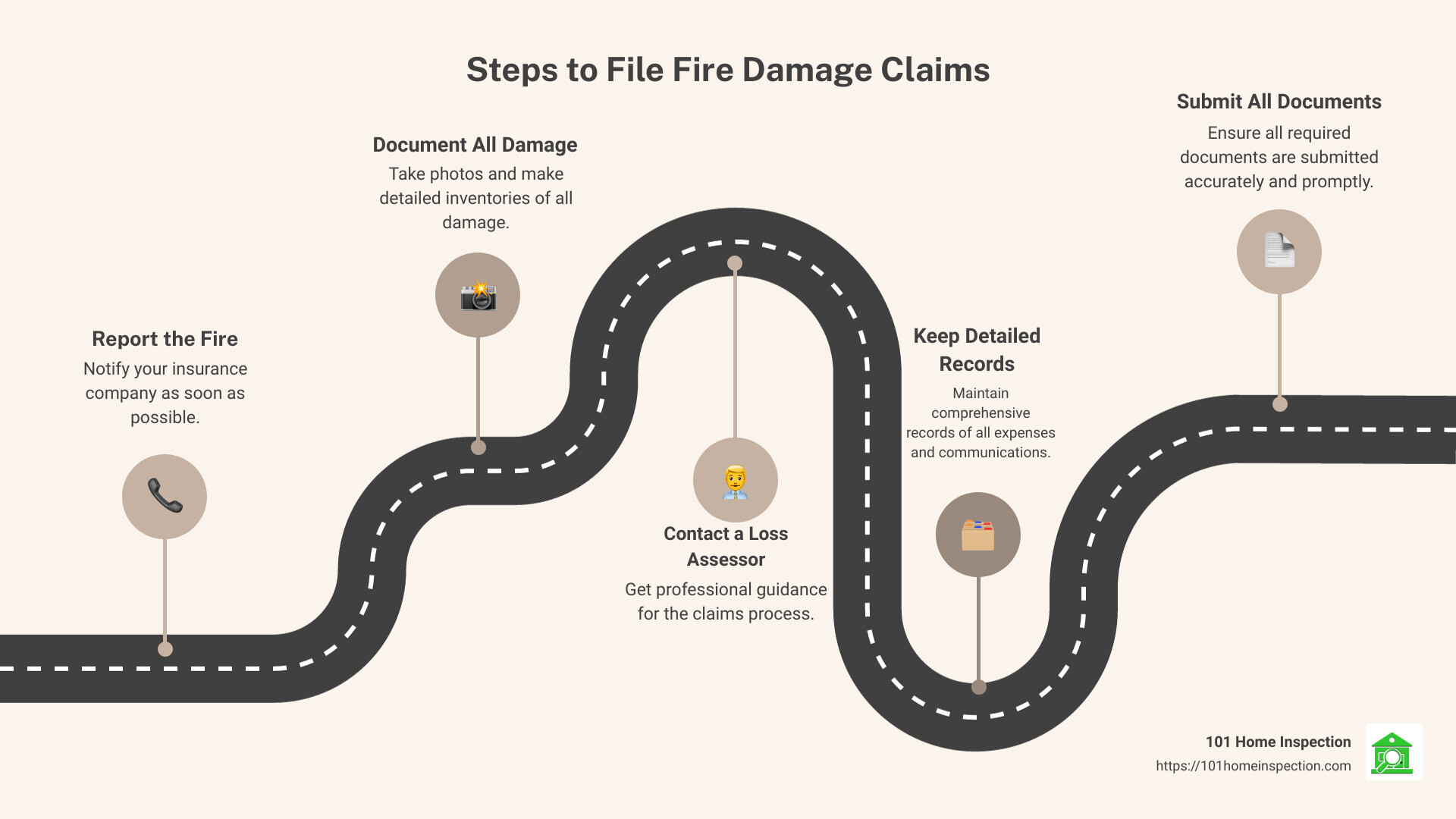
- Report the fire to your insurance company as soon as possible.
- Document all damage with photos and detailed inventories.
- Contact a loss assessor for professional guidance.
- Keep detailed records of all expenses and communication related to the claim.
- Submit all required documents accurately and promptly.
Experiencing a fire is traumatic enough without the added burden of navigating the claims process. Swift action and proper documentation can significantly impact the effectiveness and speed of your claim.
Understanding Fire Damage Claims
When a fire damages your property, understanding your insurance policy and the claims process is crucial. Let’s break down what is covered and the common causes of fire damage.
What is Covered?
Your insurance policy should clearly outline what is covered in the event of a fire. Generally, fire insurance covers:
- Structural damage: This includes damage to the walls, roof, and foundation of your home.
- Personal property: Items like furniture, electronics, and clothing.
- Additional living expenses: Costs incurred if you need to live elsewhere while your home is being repaired.
Important: Always check your policy details. Some policies might exclude certain types of fires or have specific conditions.
Common Causes of Fire Damage
Understanding the common causes of fire damage can help you prevent future incidents and know what to expect when filing a claim.
- Accidental Fires: These are the most common and can be caused by anything from unattended cooking to candles left burning. For instance, the recent fire at the historic Grosvenor Hotel in Bristol was a stark reminder of how quickly a fire can devastate a property.
- Electrical Faults: Faulty wiring, overloaded circuits, and electrical appliances can all cause fires. Regular maintenance and inspections can help mitigate this risk. A Bristol case involved a high-rise fire at Eccleston House, which was suspected to be caused by an electrical fault.
- Arson: Deliberately set fires are less common but can be devastating. If your property is targeted, it’s crucial to have comprehensive coverage. The fire at Eccleston House was treated as arson, highlighting the importance of being prepared for all scenarios.
By understanding what is covered and the common causes of fire damage, you can better navigate the claims process and ensure you are adequately protected.
Next, we’ll dive into the steps to file a fire damage claim in Bristol, ensuring you know exactly what to do when disaster strikes.
Steps to File a Fire Damage Claim in Bristol
Immediate Actions Post-Fire
1. Ensure Safety First
Your safety and that of your family or employees is the top priority. Evacuate the premises immediately and call emergency services to handle the fire.
2. Contact Emergency Services
Once everyone is safe, contact the fire department to extinguish the fire and assess the immediate risk. They will provide a report that will be crucial for your insurance claim.
3. Initial Assessment
After the fire is controlled, do a quick visual assessment to understand the extent of the damage. This will help you communicate effectively with your insurance company and loss assessor.
Documenting the Damage
1. Take Photographs and Videos
Document every part of your property affected by the fire. Take clear photographs and videos from multiple angles. This visual evidence will be essential when you file your claim.
2. Create an Inventory
Make a detailed list of all damaged items, including furniture, appliances, and personal belongings. Note their approximate value and age. This will help in calculating the total loss and speeding up the claim process.
3. Damage Report
Prepare a written damage report. Include details like the extent of the fire, areas affected, and any visible structural damage. This report will be a key document when communicating with your insurance company.
Contacting Your Insurance Company
1. Notify Your Insurer
Contact your insurance company as soon as possible. Provide them with your policy number and a brief overview of the damage. Early notification can speed up the claims process.
2. Submit Claim Details
Provide all necessary details to your insurer, including photographs, videos, inventory list, and the damage report. The more comprehensive your documentation, the smoother your claim process will be.
3. Follow Up
Keep in regular contact with your insurance company. Make sure you understand the next steps and timelines. Being proactive can help avoid delays.
Working with a Loss Assessor
1. Hire a Loss Assessor
Consider hiring a loss assessor to manage your claim. They will help ensure you get a fair settlement.
2. Claim Management
The loss assessor will handle all communications with your insurer, attend onsite meetings, and manage the claim from start to finish. This can relieve a lot of stress and ensure all aspects of your claim are covered.
3. Negotiation
A skilled loss assessor will negotiate with your insurer to achieve the best possible outcome. They will use their expertise to ensure all damages are accounted for and that you receive a fair settlement.
4. Settlement and Repairs
Once the claim is settled, your loss assessor will help you understand the agreed works and manage the repair process. They will ensure that fully vetted contractors carry out the repairs to restore your property. For further information on dealing with a loss assessor click here.
Tips for a Successful Fire Damage Claim
Filing a fire damage claim can be stressful. But with the right approach, you can improve your chances of success. Here are some essential tips:
Providing Sufficient Evidence
1. Take Clear Photographs
Immediately after the fire, take clear and detailed photographs of all damaged areas. Capture every room from multiple angles. Include close-ups of damaged items like furniture, appliances, and personal belongings.
2. Keep Detailed Receipts
Gather receipts for all damaged items. This helps prove their value and age. If you don’t have receipts, try to find bank statements or other proof of purchase.
3. Collect Witness Statements
If anyone witnessed the fire or the damage, ask them to provide a written statement. This can support your claim and provide additional evidence.
4. Create a Damage Inventory
List all damaged items, including their approximate value and age. This inventory will be crucial when you submit your claim.
Avoiding Common Pitfalls
1. Incomplete Documentation
Ensure all documents are complete and accurate. Missing information can delay your claim or lead to denial.
2. Missed Deadlines
Submit your claim promptly. Insurance policies often have strict deadlines. Missing these can invalidate your claim.
3. Lack of Communication
Stay in touch with your insurance company. Regular updates can help keep your claim on track and show that you are proactive.
Negotiating with Insurers
1. Aim for Fair Compensation
Insurance companies may offer a lower settlement initially. Be prepared to negotiate to ensure you receive a fair amount.
2. Seek Professional Help
Consider hiring a loss assessor. They can manage your claim and negotiate on your behalf.
3. Understand the Settlement
Once a settlement is reached, understand what it covers. Make sure it includes all necessary repairs and replacements to restore your property.
Frequently Asked Questions about Fire Damage Claims in Bristol
Can I Claim Compensation for a House Fire?
Yes, you can claim compensation for a house fire. Insurance policies typically cover fire damage, but the specifics can vary. Coverage often includes damage to the structure, personal belongings, and sometimes even temporary housing costs.
However, it’s important to understand what your policy covers. For instance, if a fire is caused by faulty wiring or sub-standard work, you should be able to claim compensation. Make sure to document everything thoroughly with photographs and a detailed inventory of damaged items. This will support your claim and help get the compensation you deserve.
Do Insurance Companies Deny Fire Claims?
Unfortunately, insurance companies do sometimes deny fire claims. Common reasons for denial include:
- Incomplete documentation: Missing or inadequate evidence of damage.
- Policy exclusions: Certain types of fires might not be covered by your policy.
- Negligence: If the fire was caused by your own failure to maintain the property.
For example, if you don’t provide enough evidence, like photos or a thorough damage report, your claim might be denied. Always ensure you have ample documentation and understand your policy’s exclusions.
What Should I Do if My Claim is Denied?
If your fire damage claim is denied, don’t panic. Here are steps you can take:
- Review the denial letter: Understand the reasons why your claim was denied.
- Gather additional evidence: Collect more photos, receipts, and witness statements if possible.
- Consult a professional: A claims adjuster or loss assessor can help you understand your options and guide you through the appeal process.
Appealing the decision can often lead to a more favourable outcome. For example, 101 Home Inspection offers professional assistance to help manage and negotiate your claim, ensuring you get fair compensation.
Conclusion
Dealing with fire damage is stressful and overwhelming. But knowing how to navigate fire damage claims in Bristol can make the process smoother and less daunting.
At 101 Home Inspection, we understand the complexities involved in filing fire damage claims. Our goal is to help you every step of the way, ensuring your home is restored quickly and efficiently.
Why Choose 101 Home Inspection?
- Expertise: With years of experience in the industry, we know what it takes to successfully file and manage fire damage claims. Our team is well-versed in the intricacies of insurance policies and can help you understand your coverage.
- Comprehensive Services: From initial damage assessment to final repairs, we offer a full range of services to get your home back to its pre-damage condition. Our electrical services ensure that all aspects of your home are thoroughly inspected and repaired.
- Professional Support: We work closely with loss assessors and other professionals to ensure your claim is handled efficiently. Our network of vetted contractors is ready to carry out necessary repairs, ensuring high-quality results.
Real-Life Success Stories
Consider the recent case of the old Grosvenor Hotel in Bristol, which was gutted by a massive fire. The council faced a challenging situation but remained committed to redeveloping the site. This story highlights the importance of professional help in managing fire damage and navigating the claims process.
Our Commitment
We are dedicated to helping homeowners in Bristol navigate fire damage claims with ease. Our team is here to provide guidance, support, and expert services to ensure your home is safe and habitable again.
If you need assistance with a fire damage claim or want to learn more about our services, don’t hesitate to reach out. Let us help you through this challenging time with the expertise and care you deserve.
For more information on how we can assist with your fire damage claims in Bristol, visit our electrical services page. Let us help you restore your home with confidence.